


Financiado pela União Europeia. As opiniões expressas são apenas dos autores e não refletem necessariamente as opiniões da União Europeia ou da Agência Executiva Europeia para a Educação e Cultura (EACEA). Nem a União Europeia nem a EACEA podem ser responsabilizadas por estas opiniões.




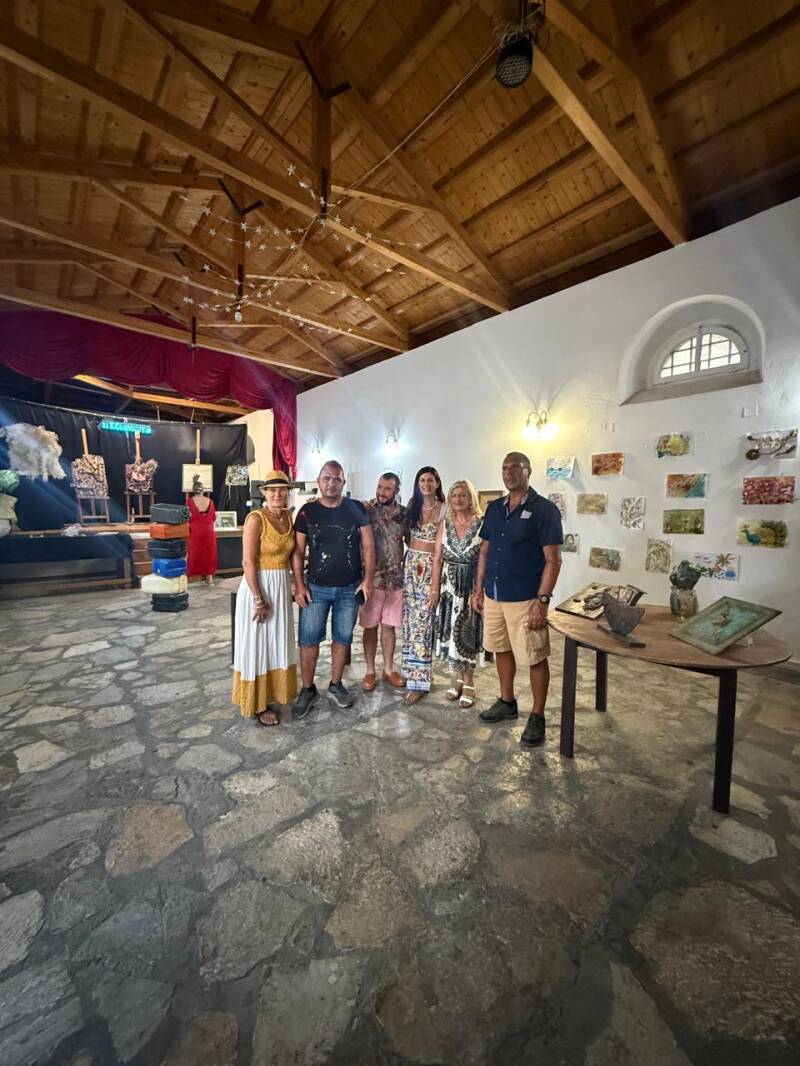
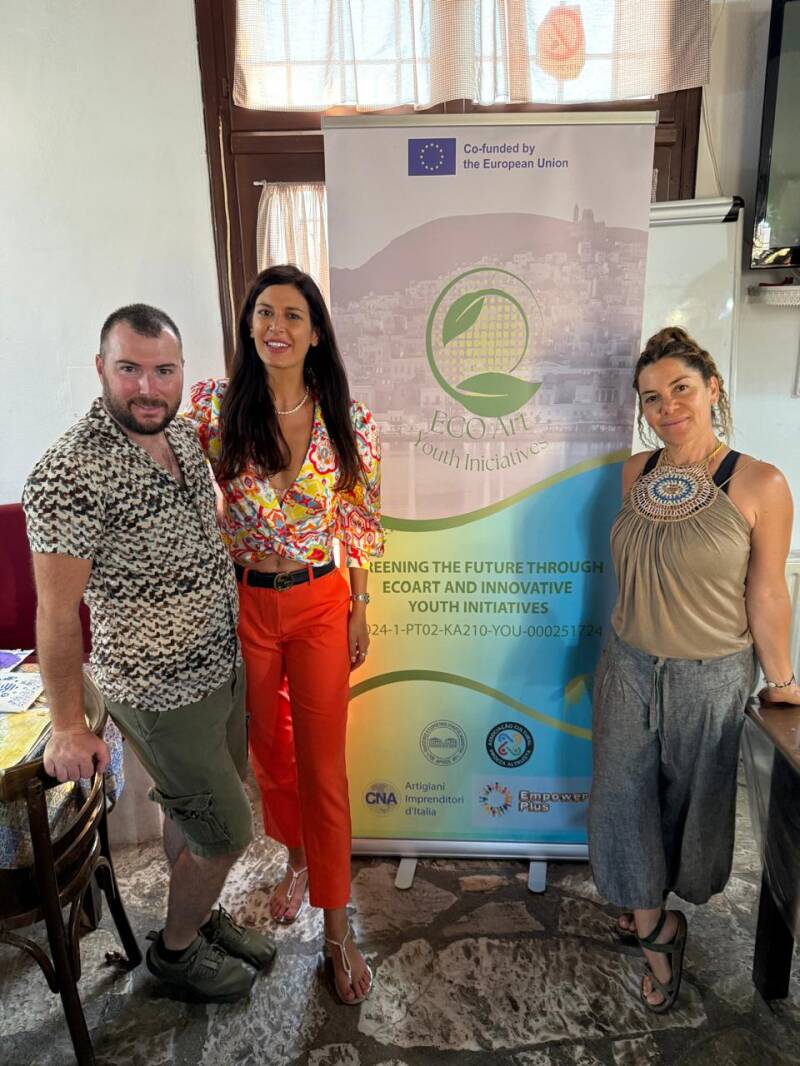
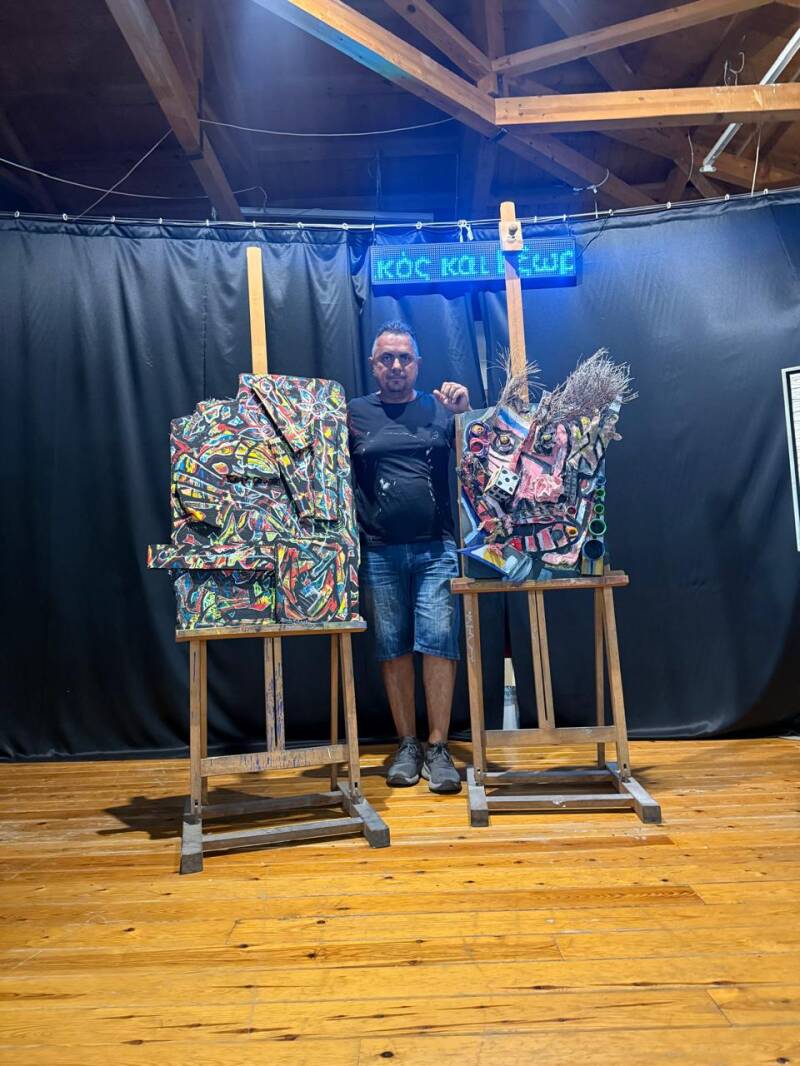
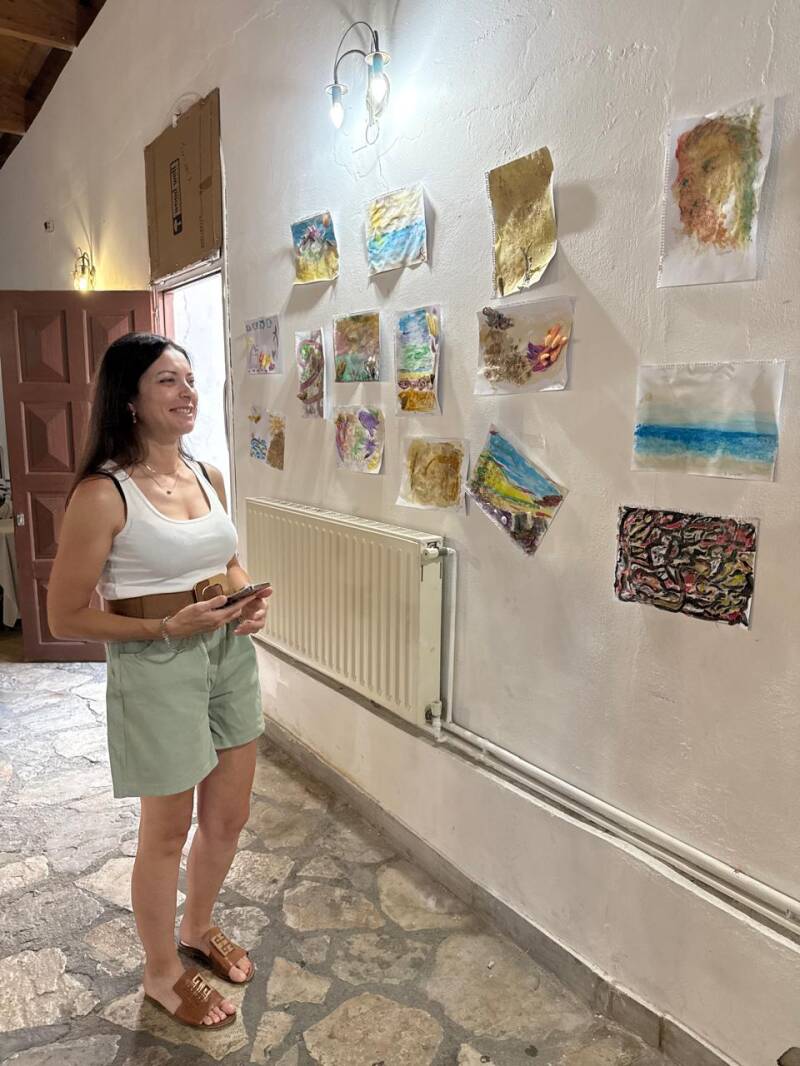
In the partner countries, four Local Eco Art Exhibitions were organized, managed and promoted by each partner NGO in their respective country, with overall coordination by ACPA. Lasting at least 14 days in each country, these exhibitions served as showcases for the works created in the Local Eco Art Workshops, bringing together a diverse selection of innovative and sustainable pieces — from paintings, sculptures, and installations to other forms of artistic expression.
The exhibited works addressed, in a clear and inspiring way, topics such as environmental sustainability, eco-consciousness, and the urgency of tackling climate change. Beyond their artistic value, the exhibitions established themselves as dynamic platforms for community engagement, fostering interactions between participants and the public and encouraging reflection on environmental challenges and sustainable best practices. By combining creativity and awareness, these initiatives helped stimulate conversations and more conscious behaviors towards a greener future.
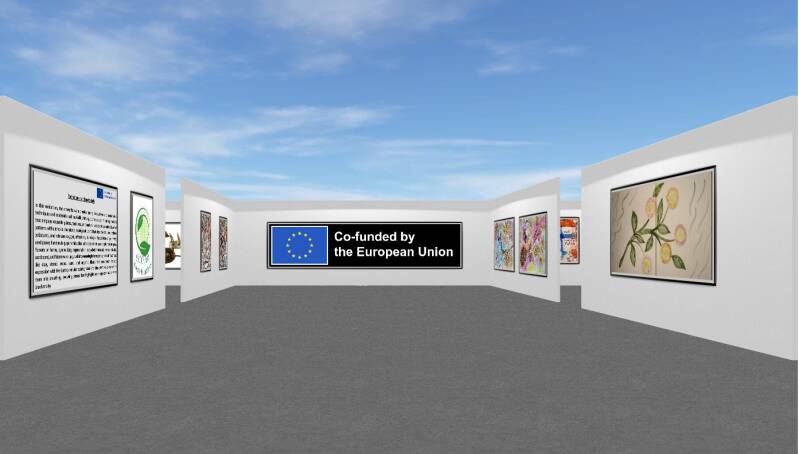
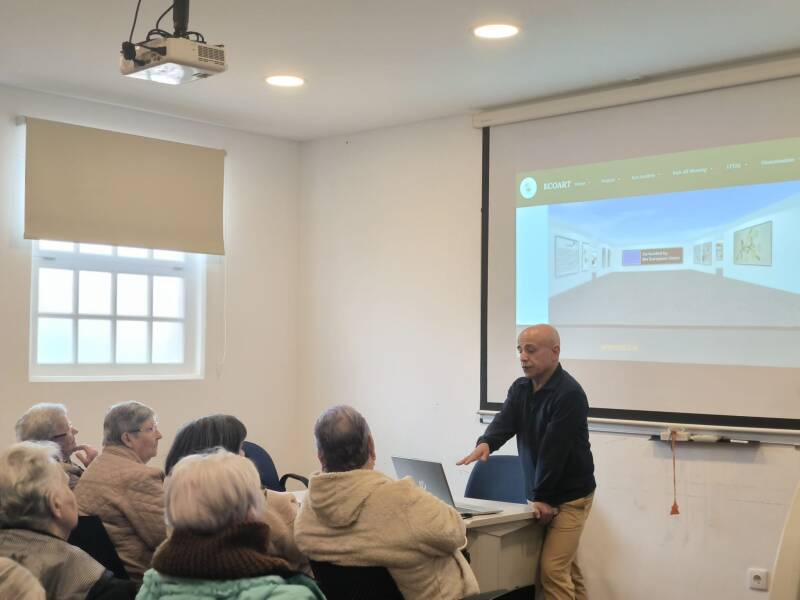
In addition to the in-person exhibitions, an Online Virtual Reality (VR) Exhibition was developed, led by ACPA, to expand the project's reach and allow a wider audience to discover and interact with the works. Through the platform www.artsteps.com, visitors can explore a virtual gallery with 360º views, providing an immersive experience similar to an in-person visit. Whenever possible, the exhibition also incorporates educational and interactive elements — such as informative descriptions, videos, and/or audio guides — reinforcing the educational aspect of the project and ensuring that messages about responsible consumption, sustainability, and creative solutions for climate issues reach and resonate with a broad and diverse audience.
Portugal
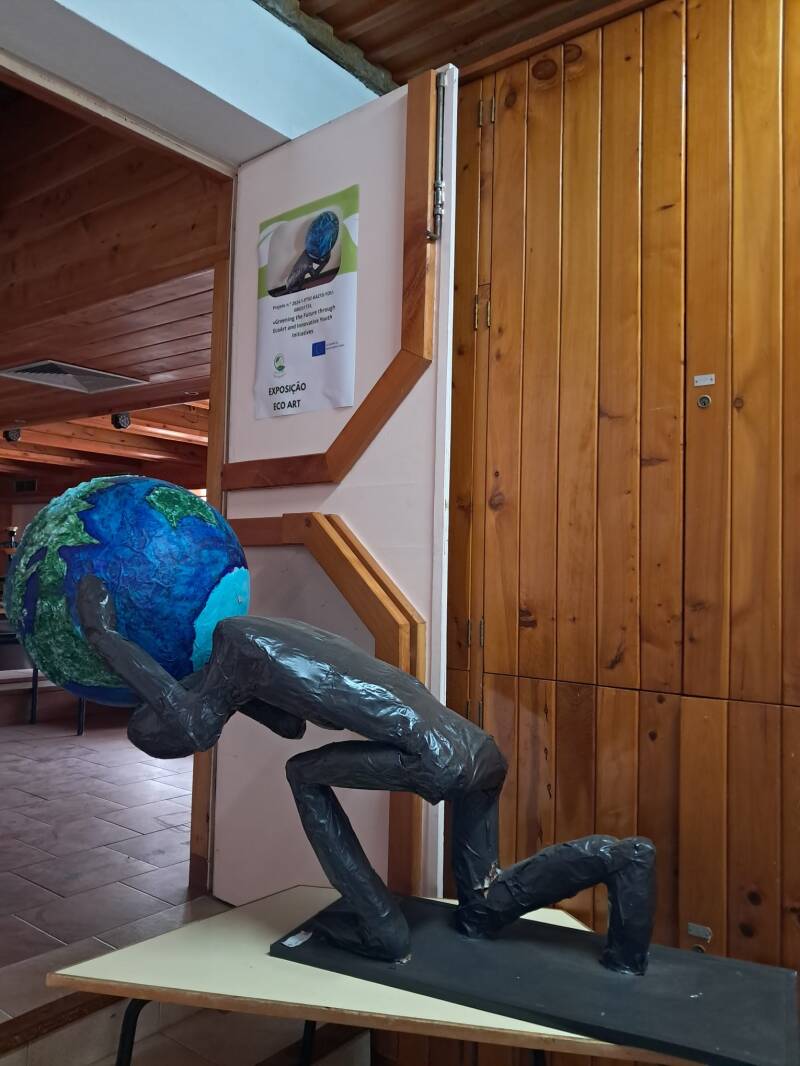
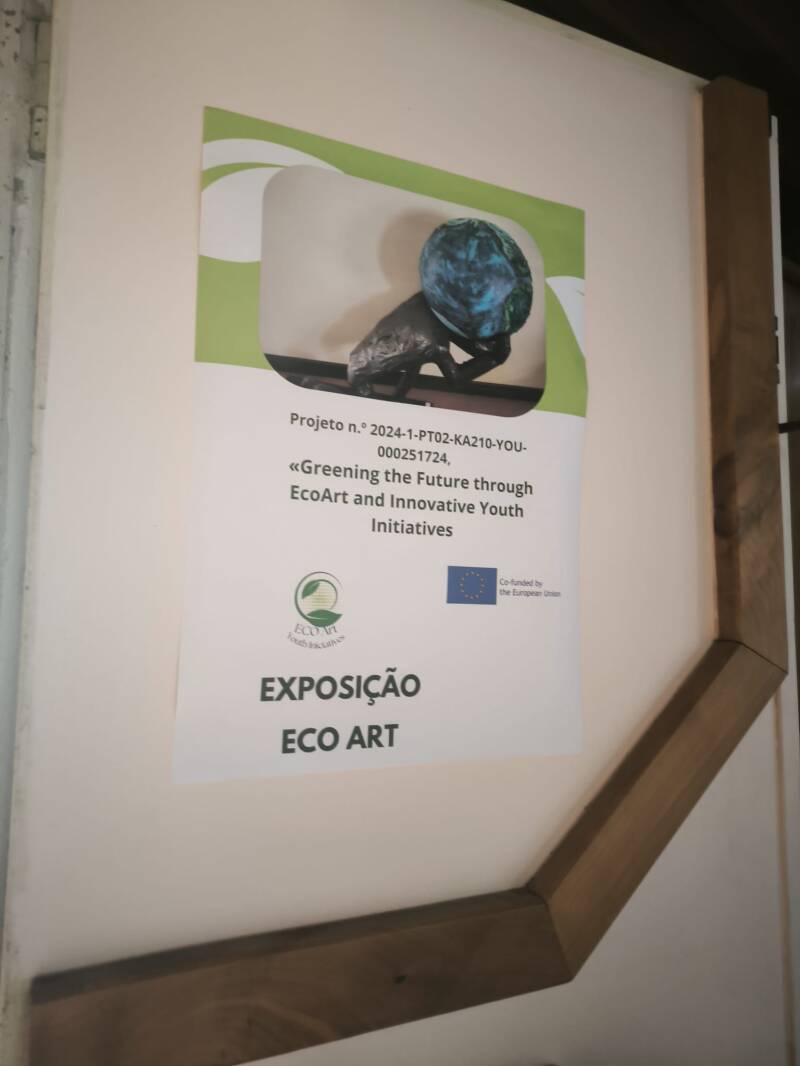
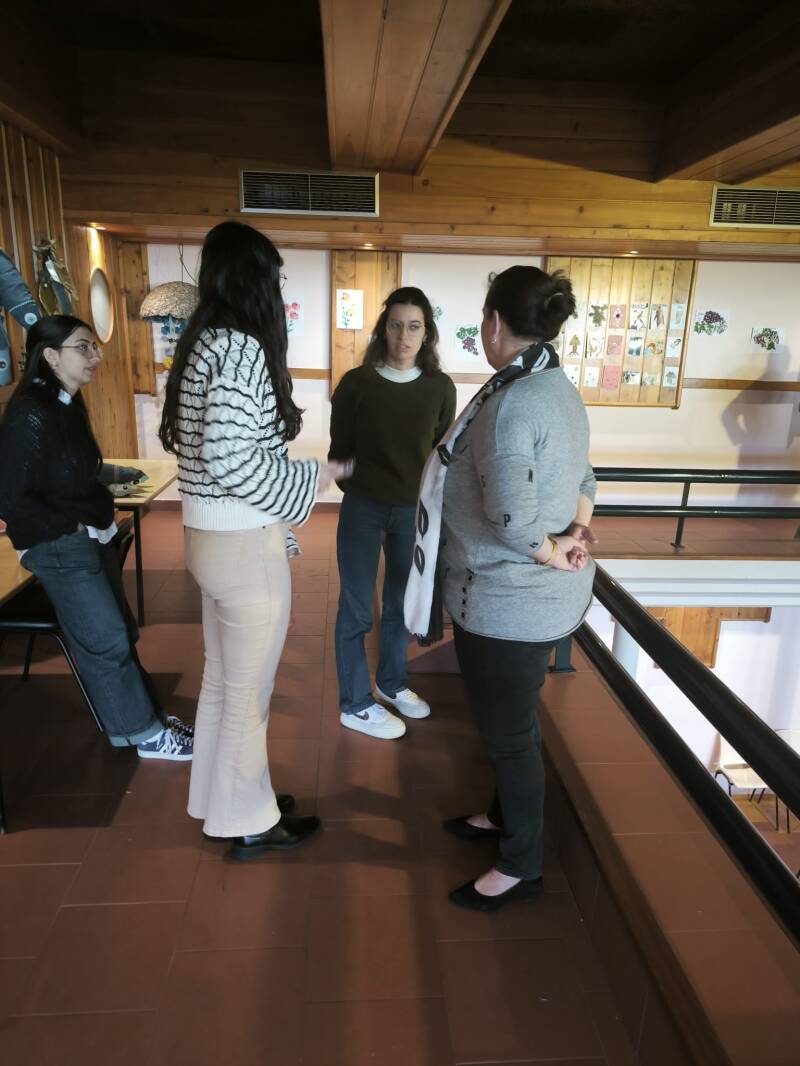
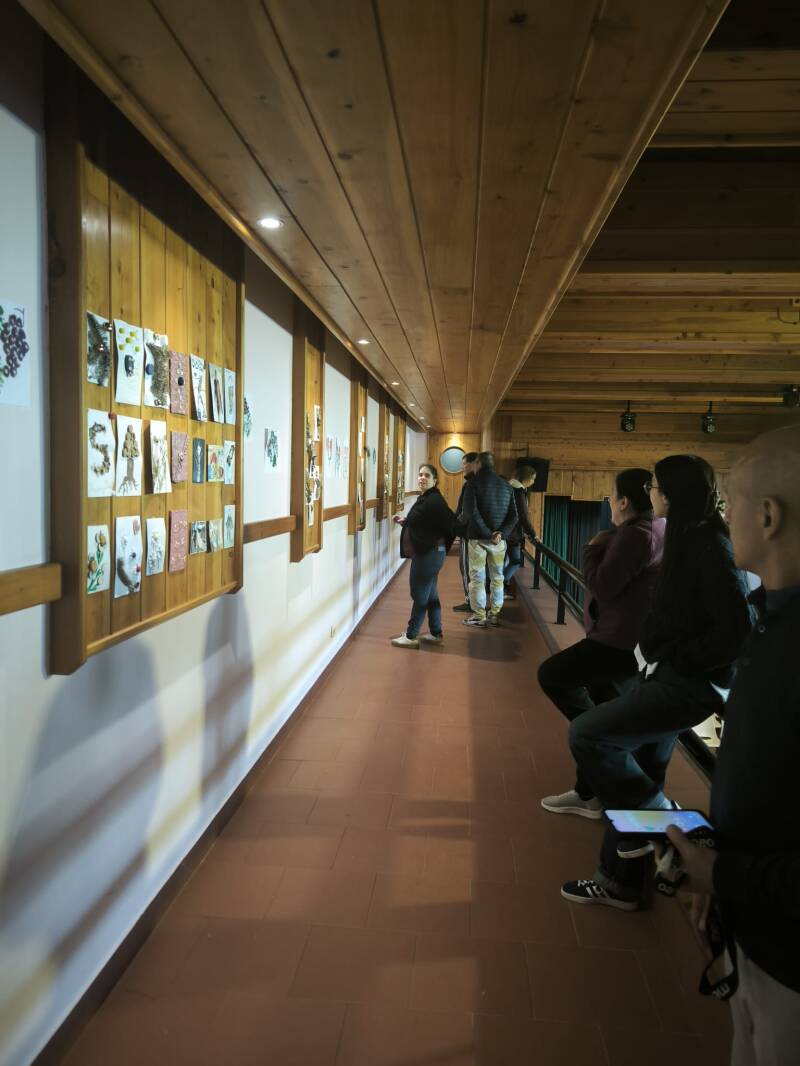
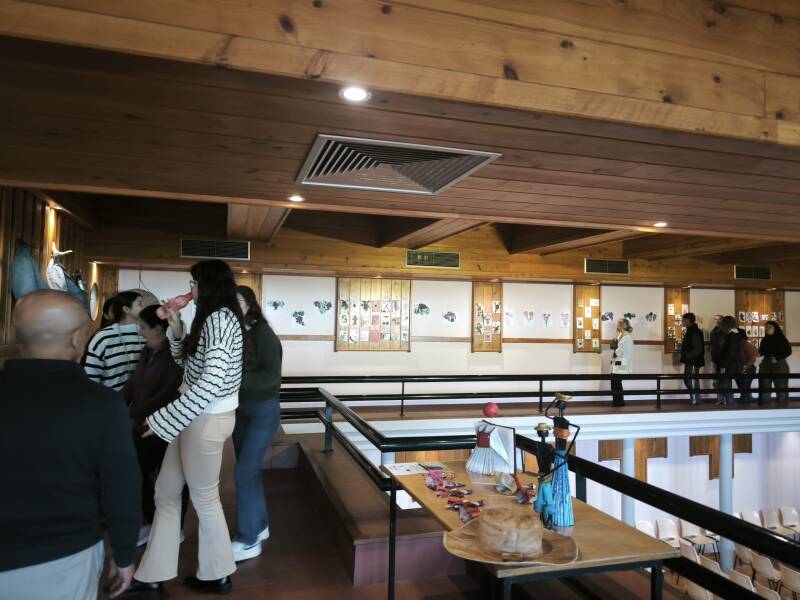
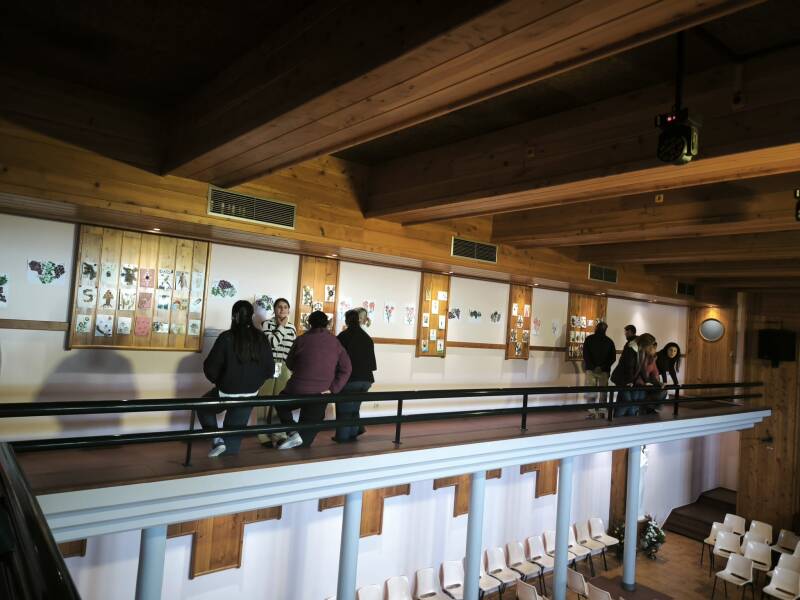

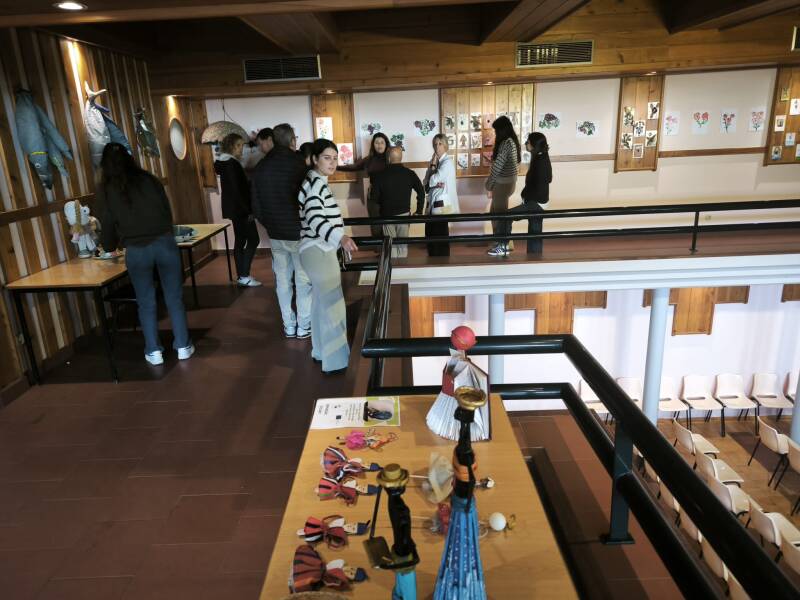
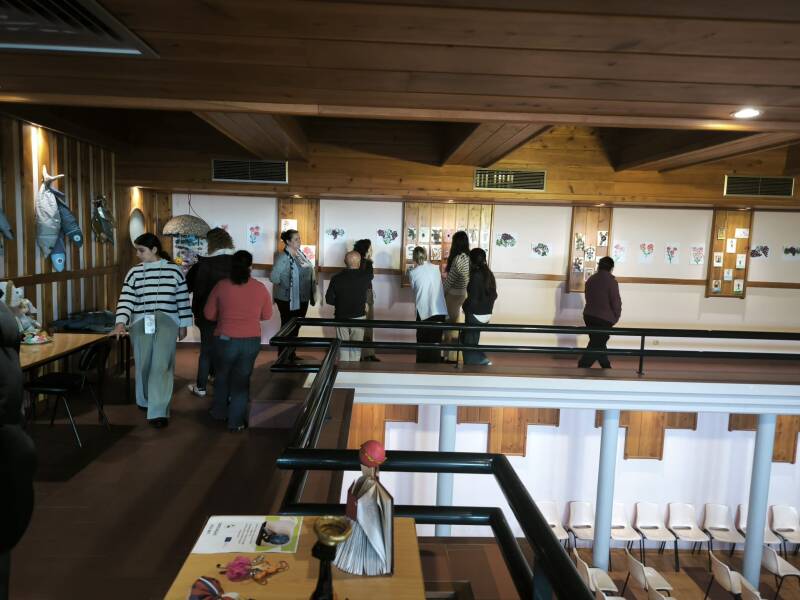
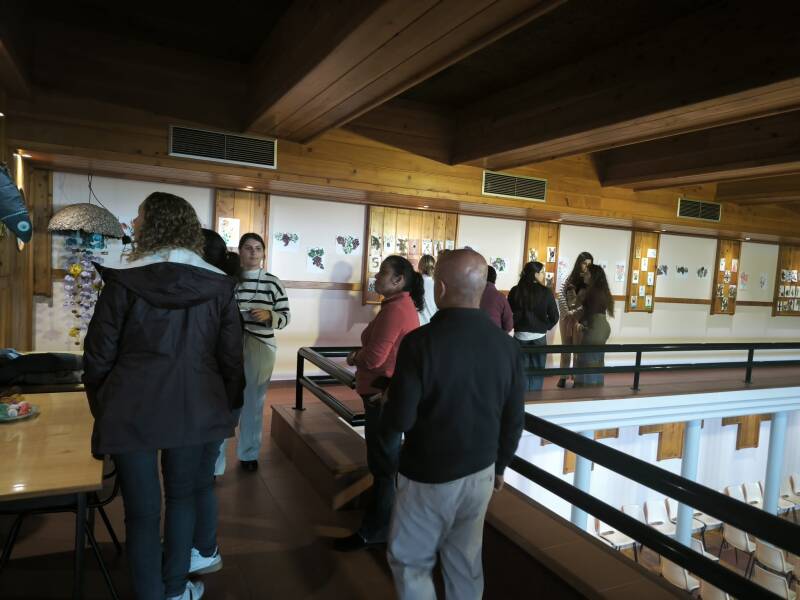
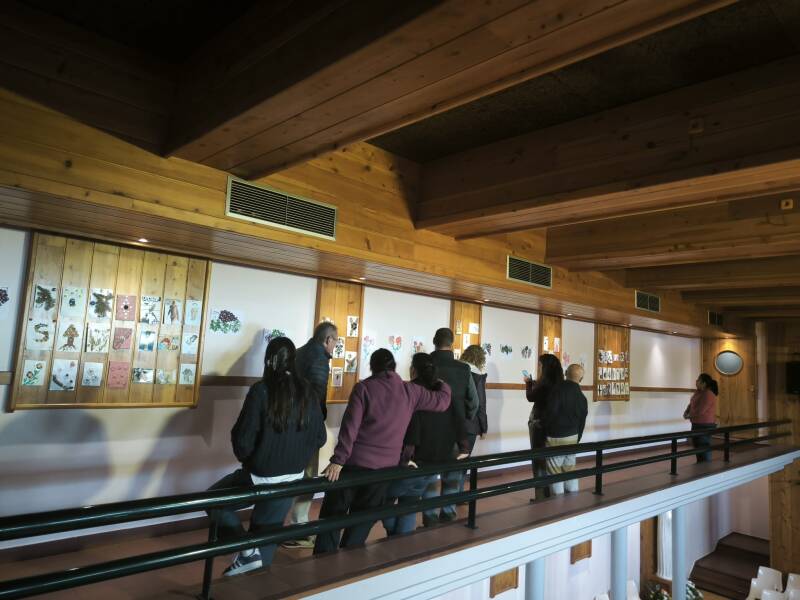
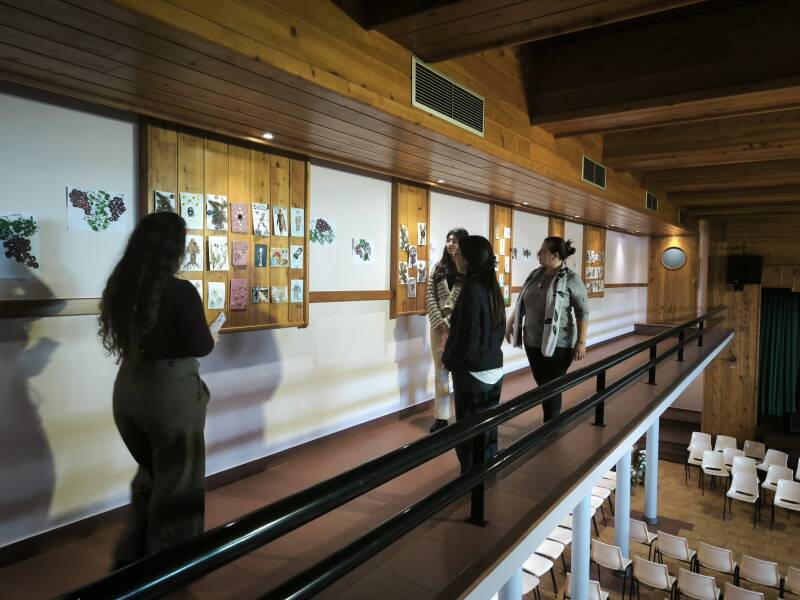
Greece
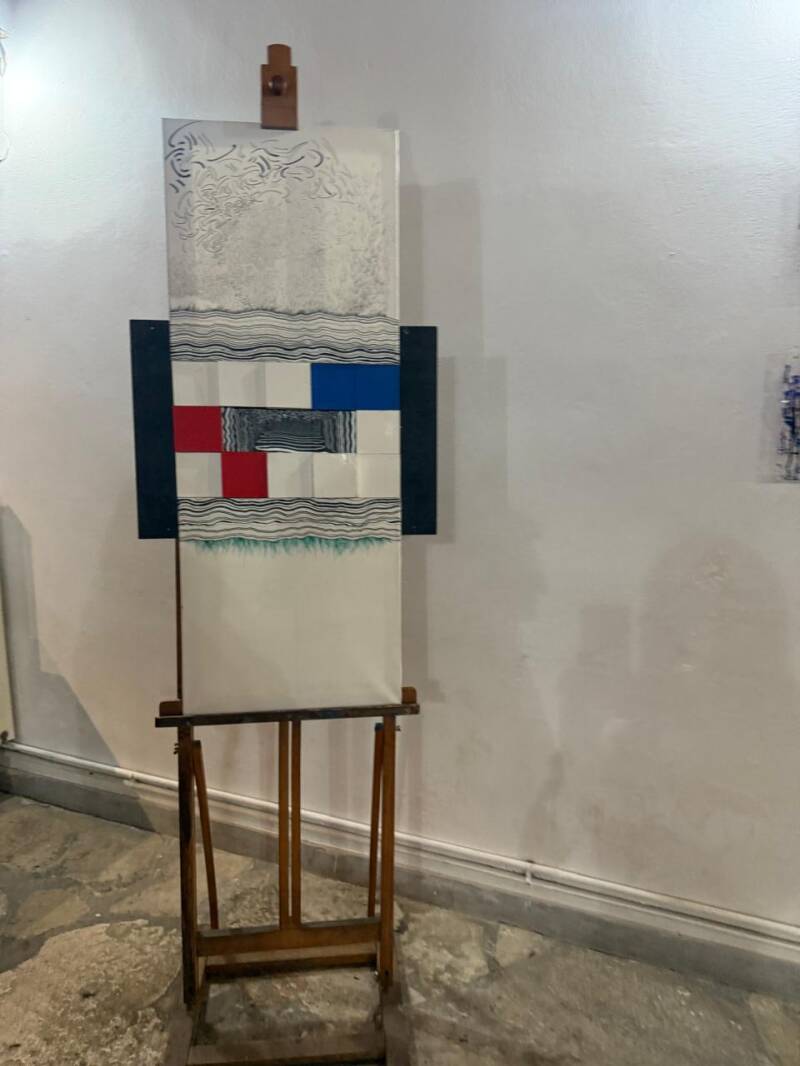
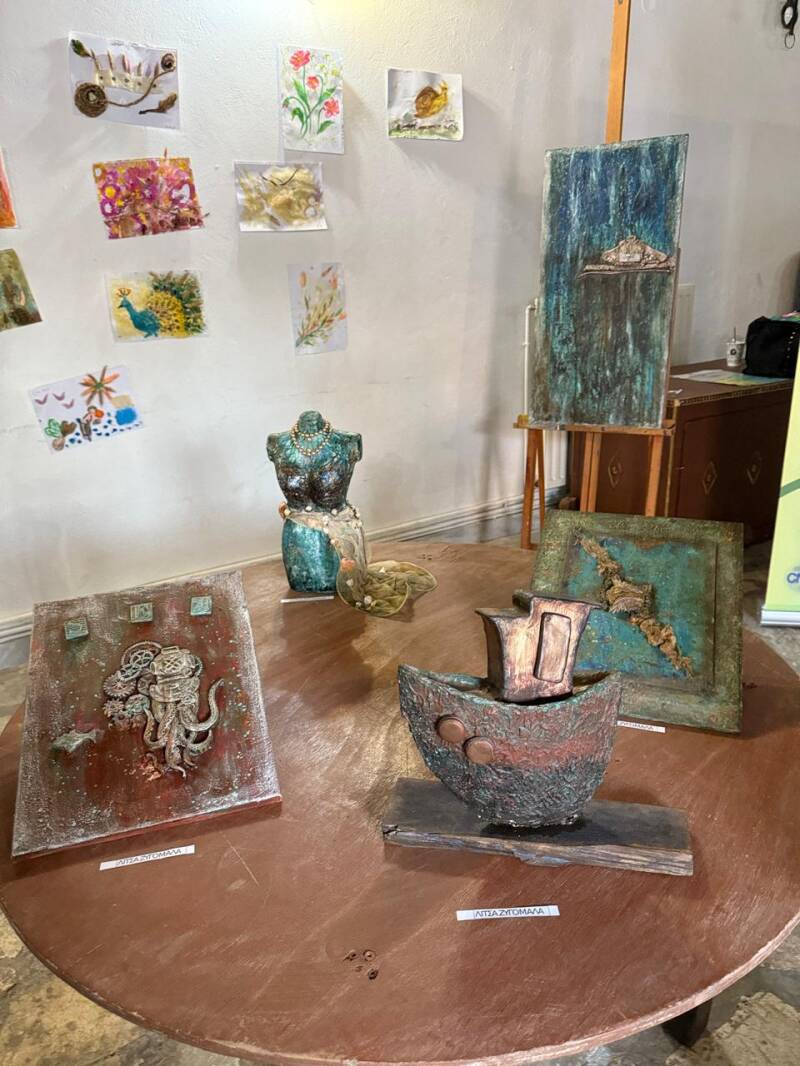
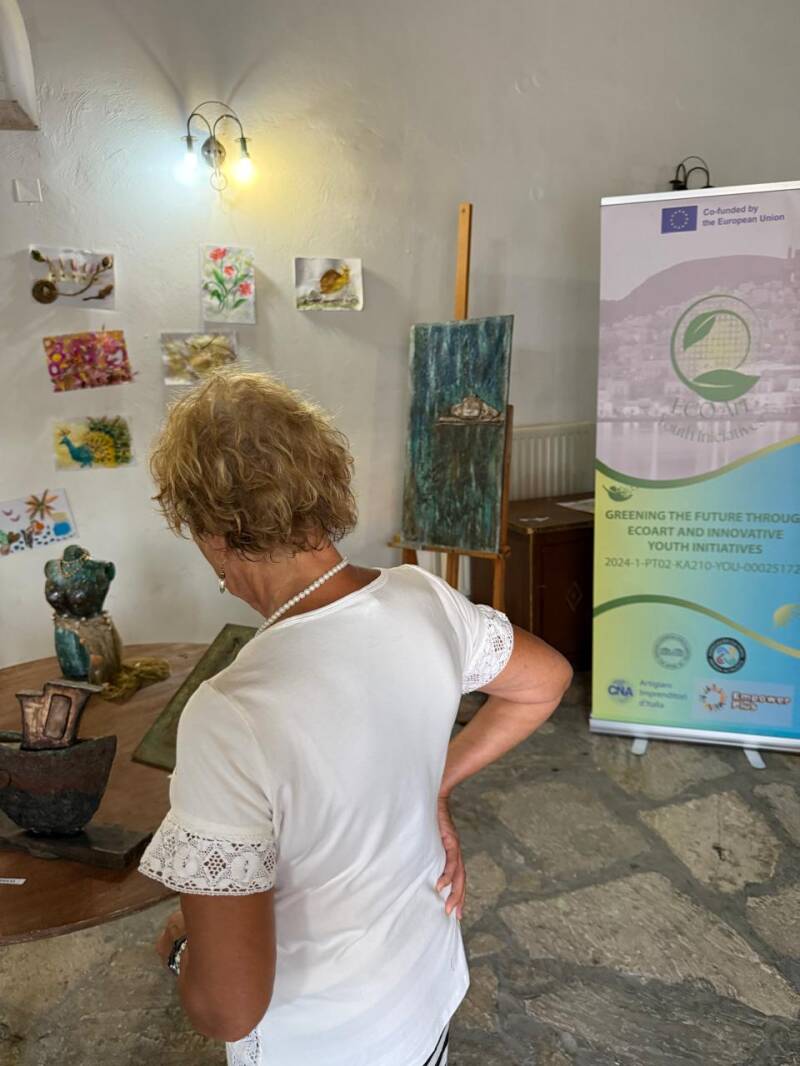
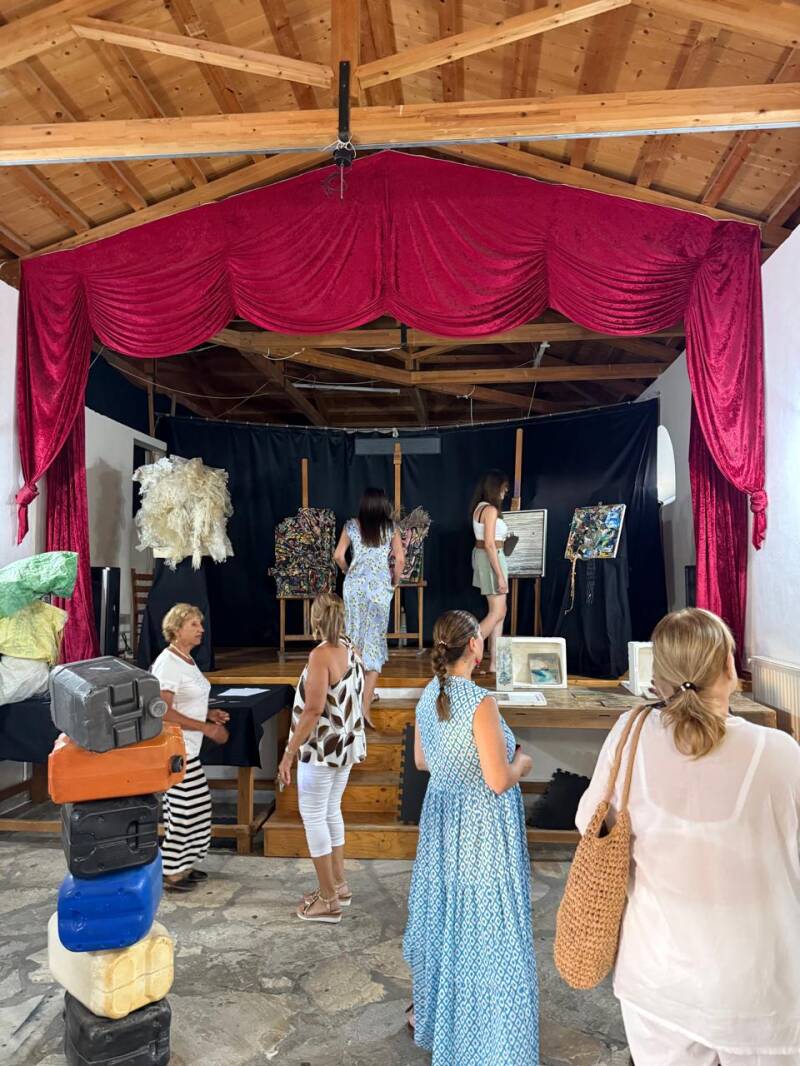
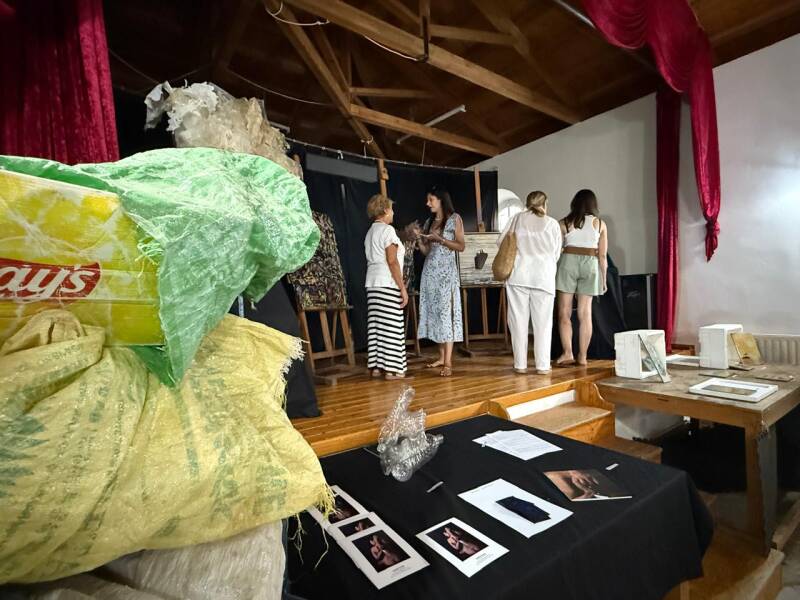
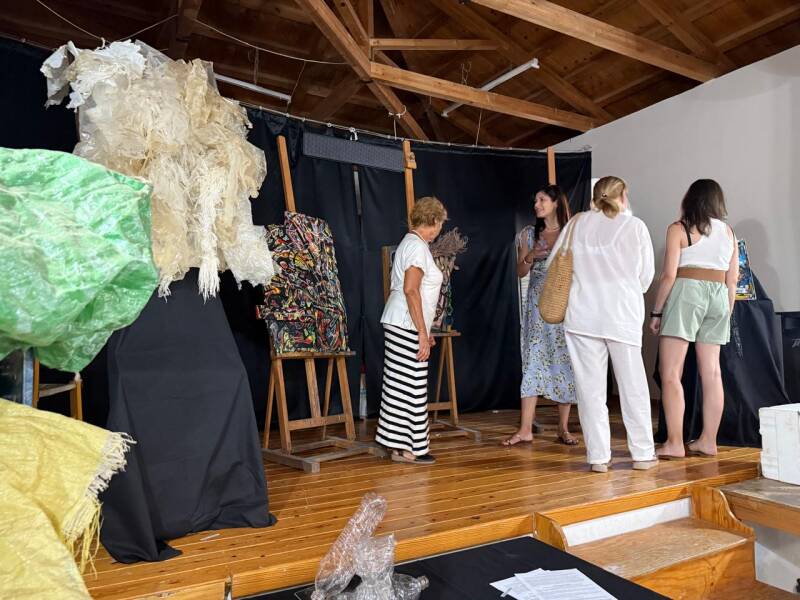
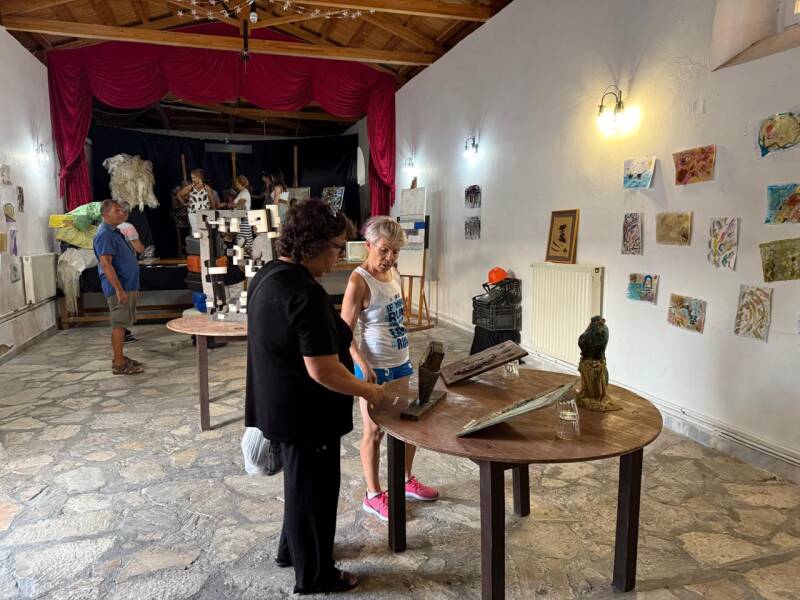
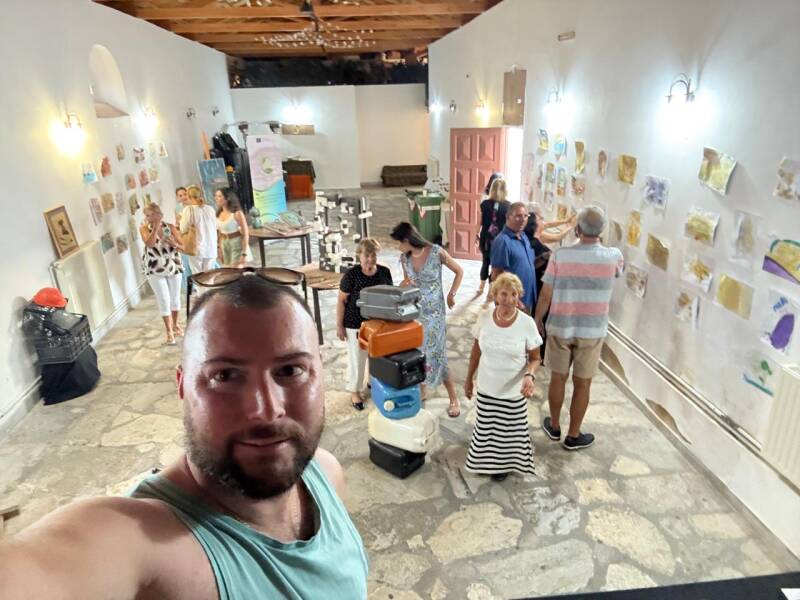
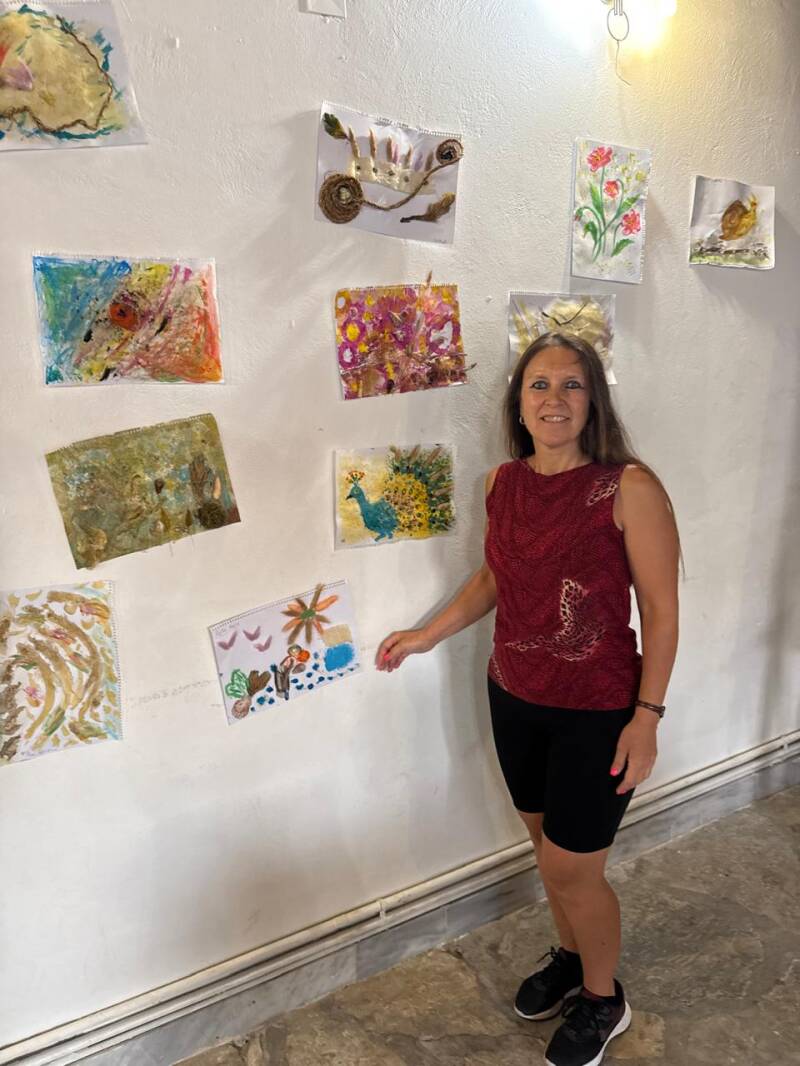
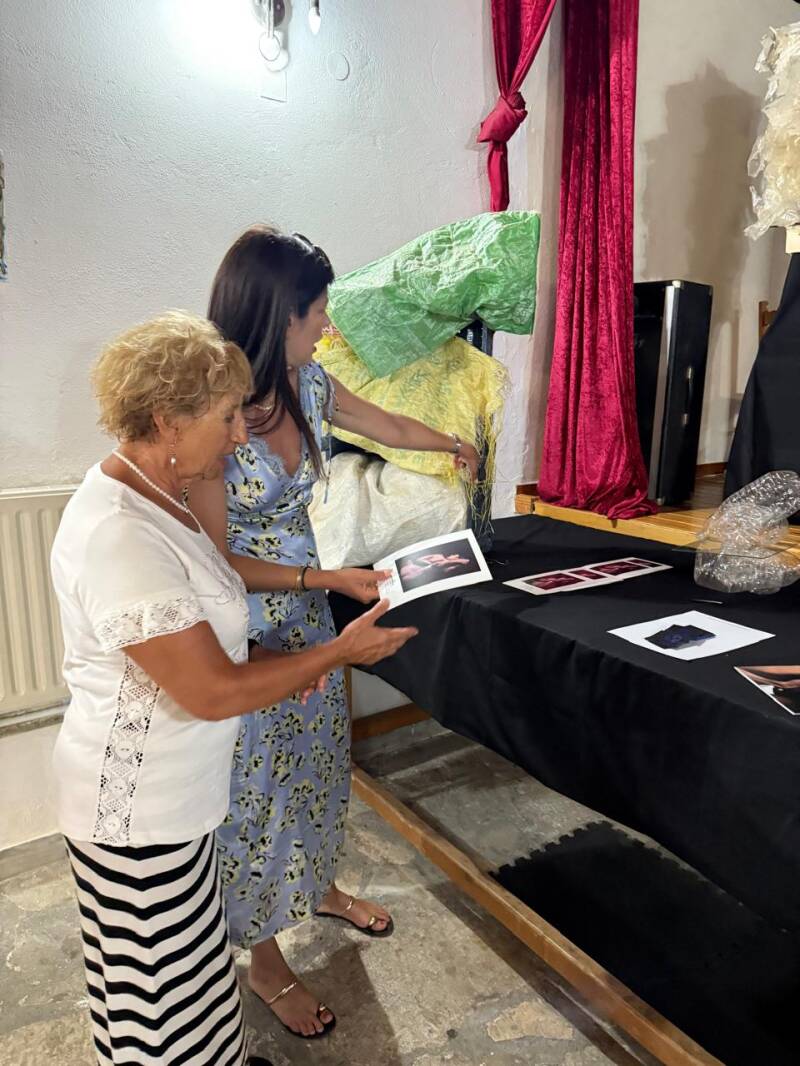
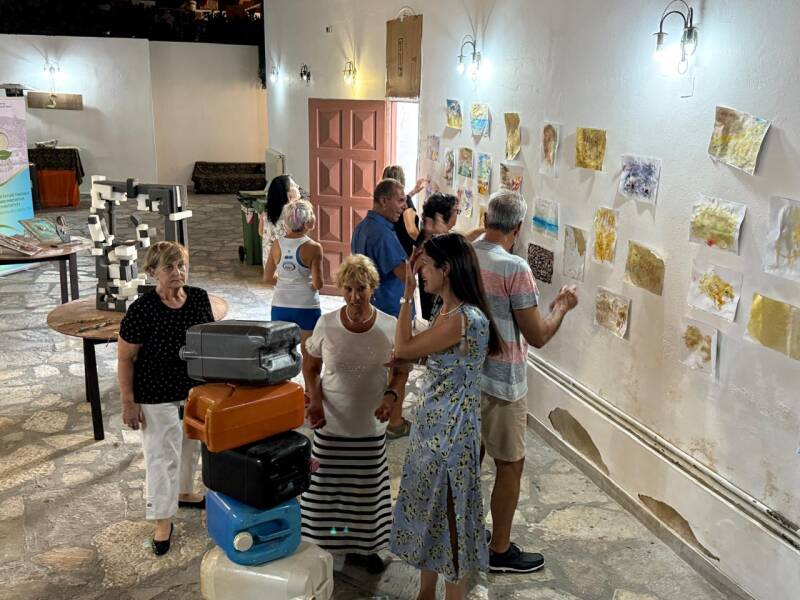
Romania
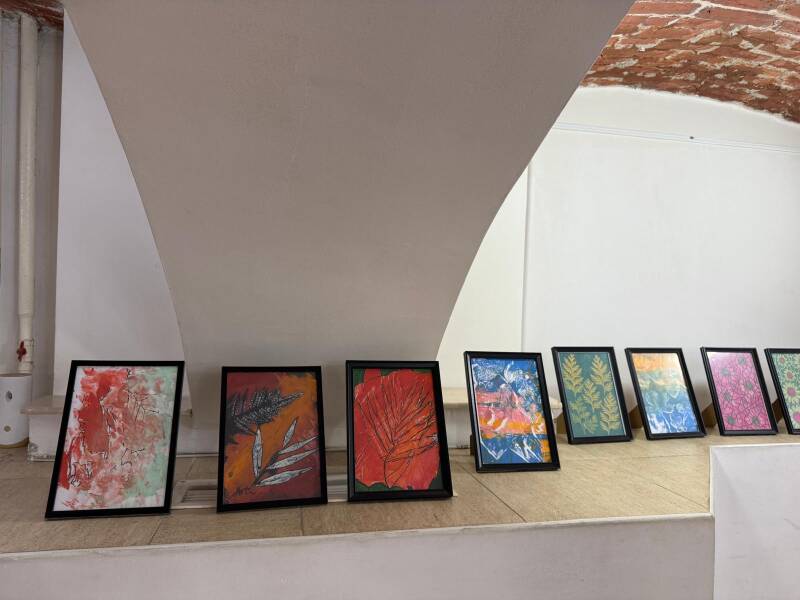
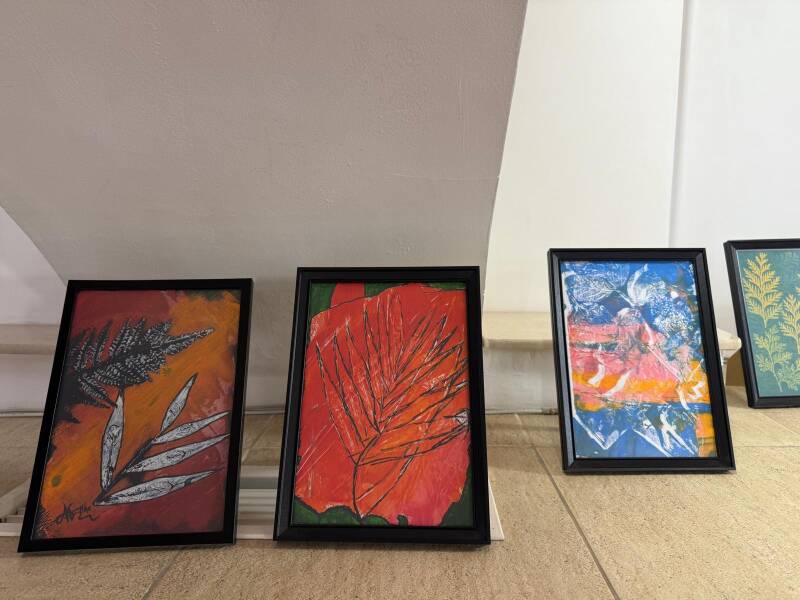
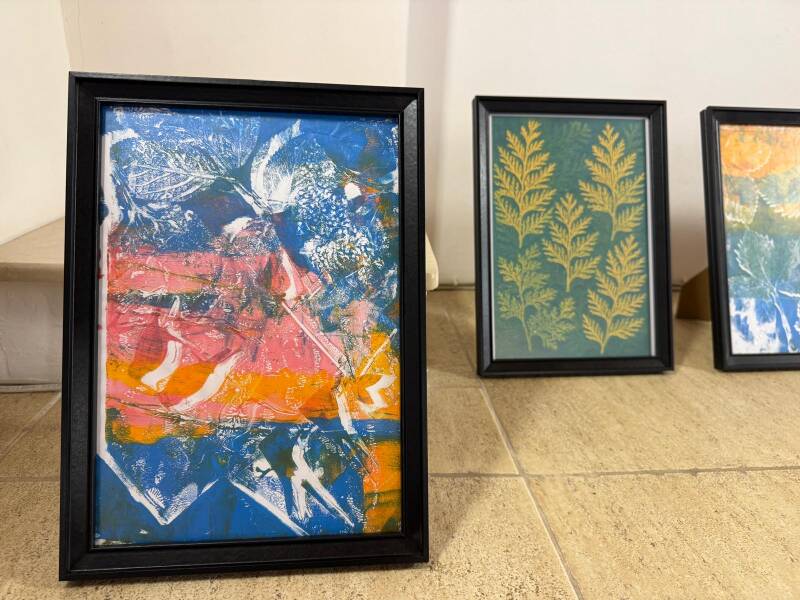

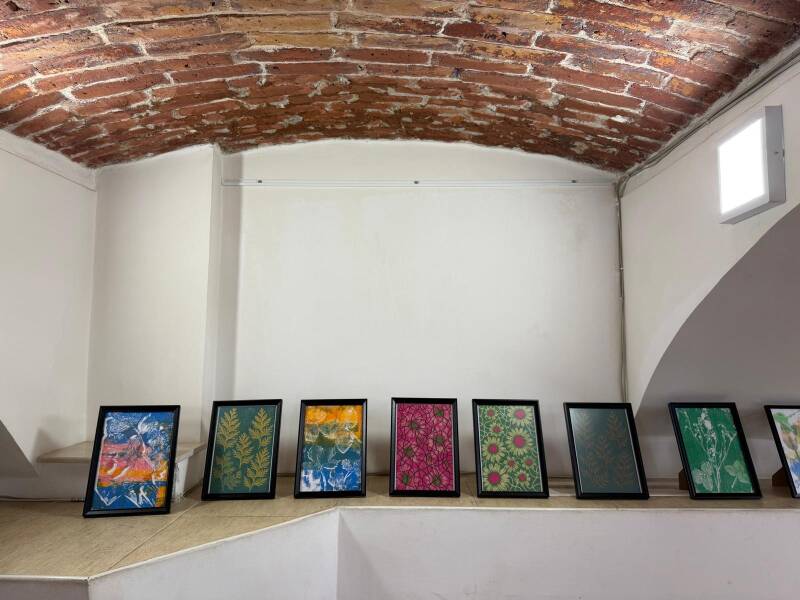
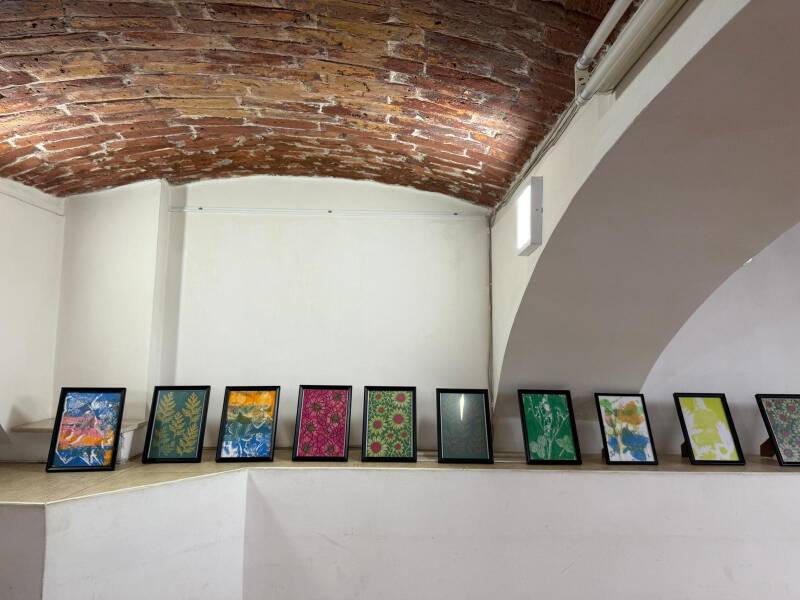
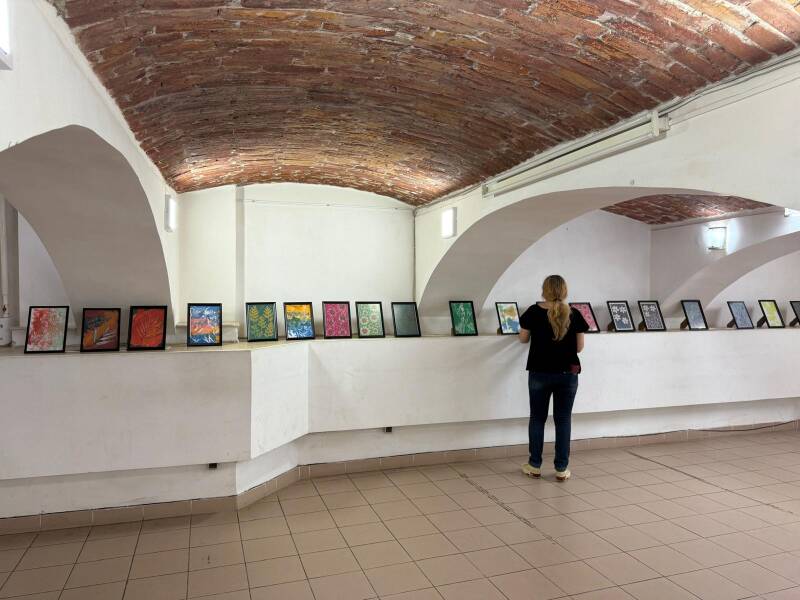
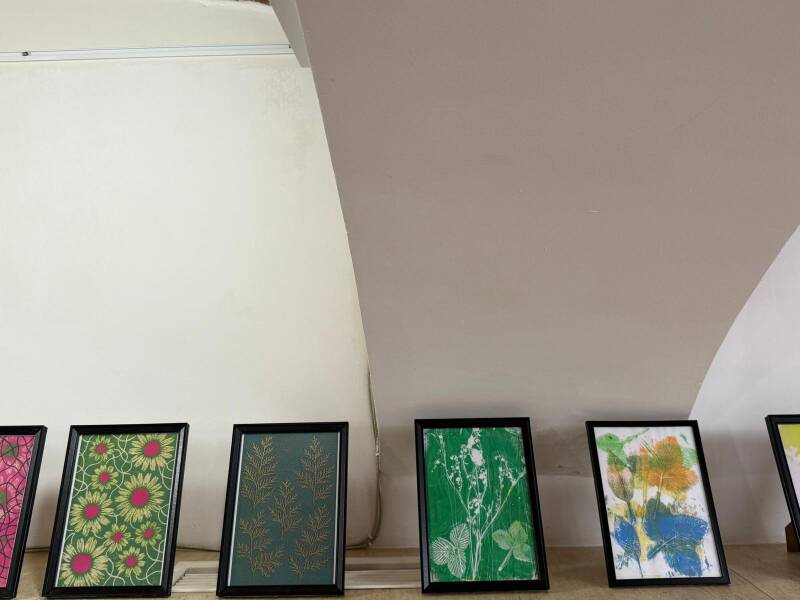
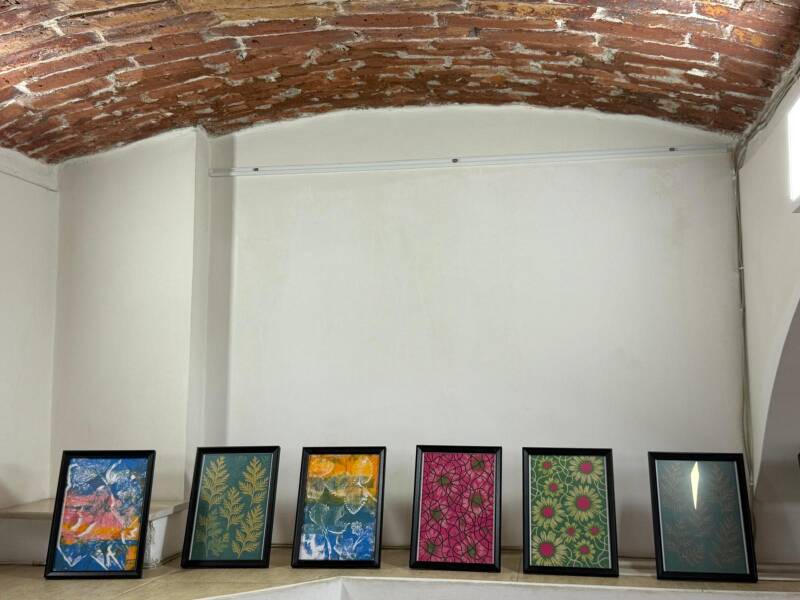
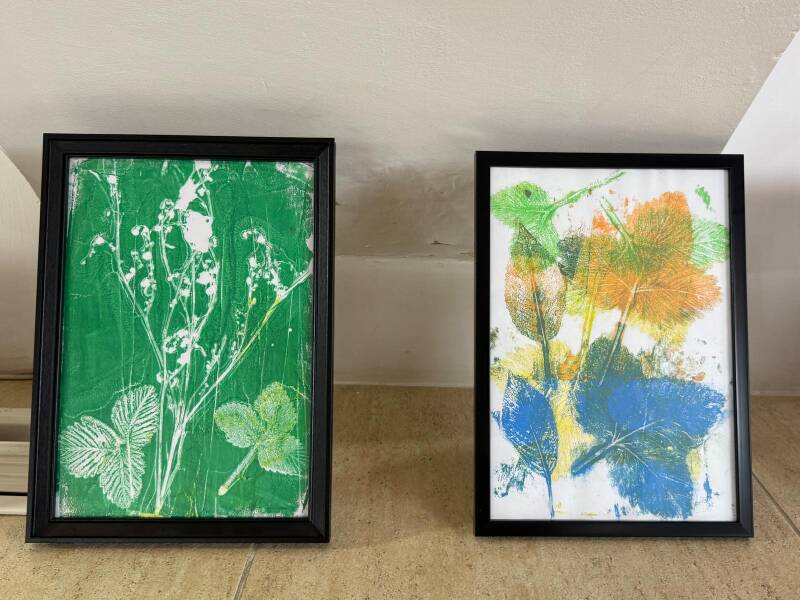
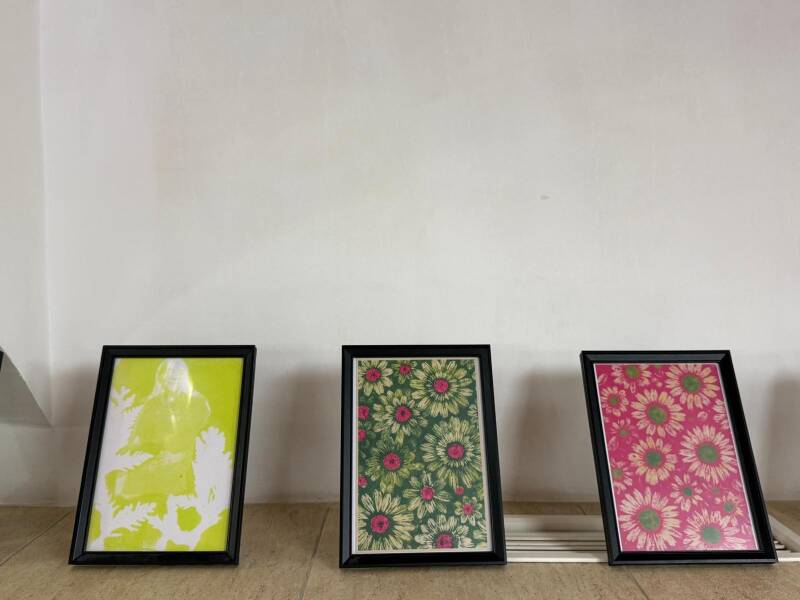
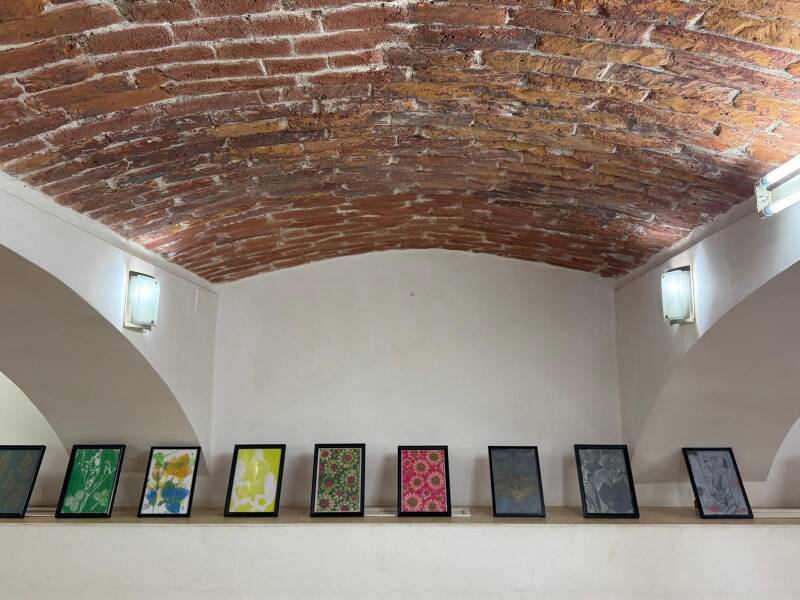
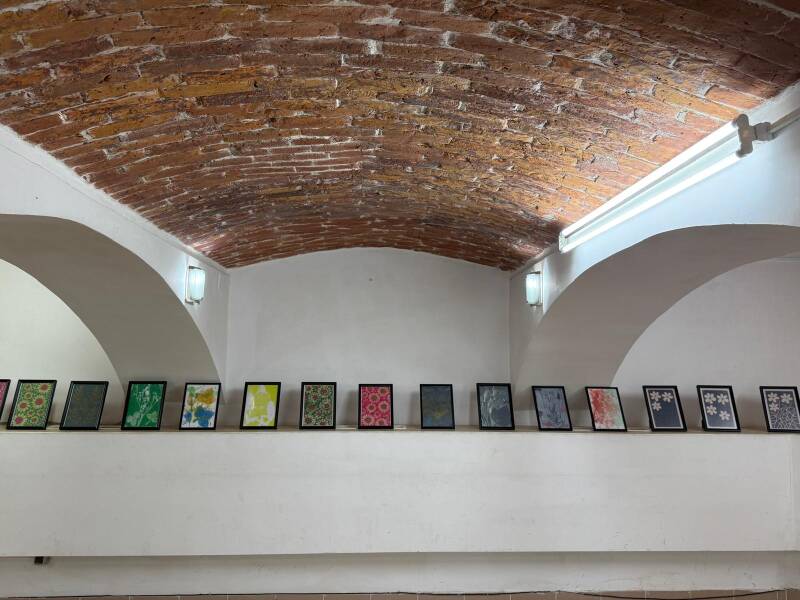
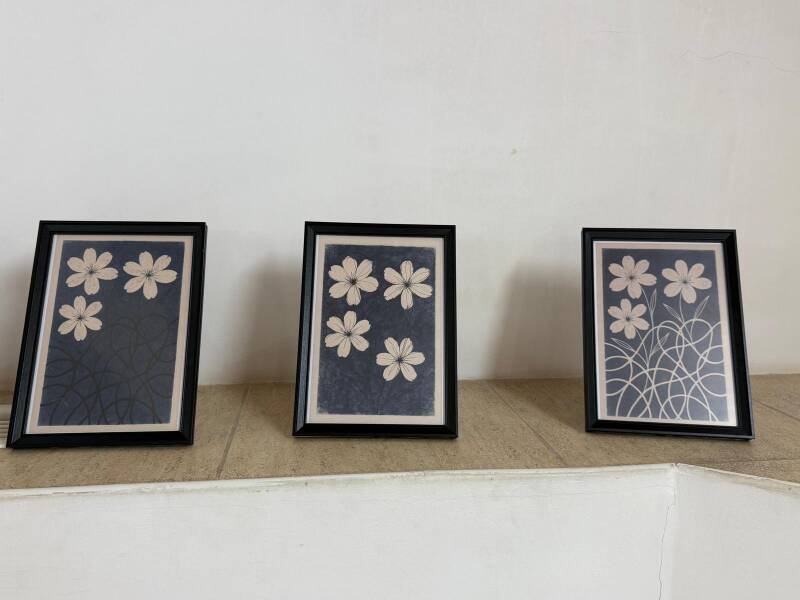
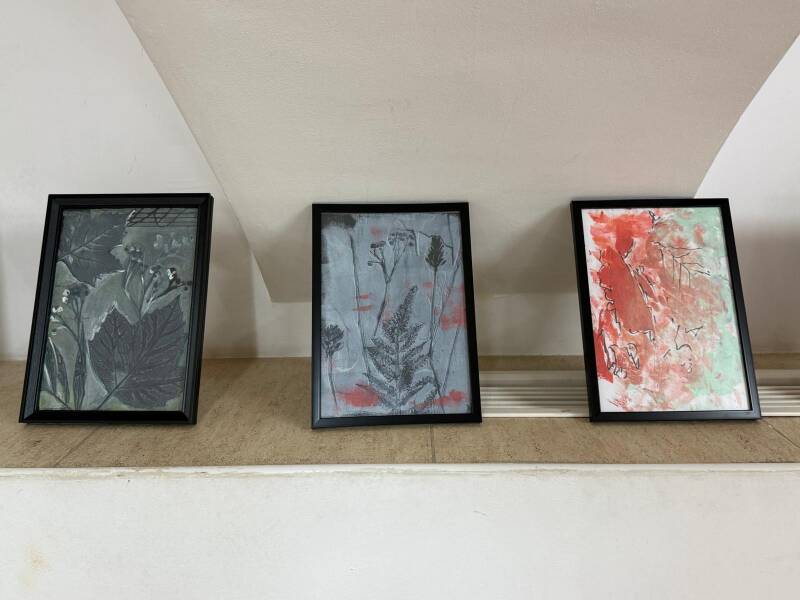
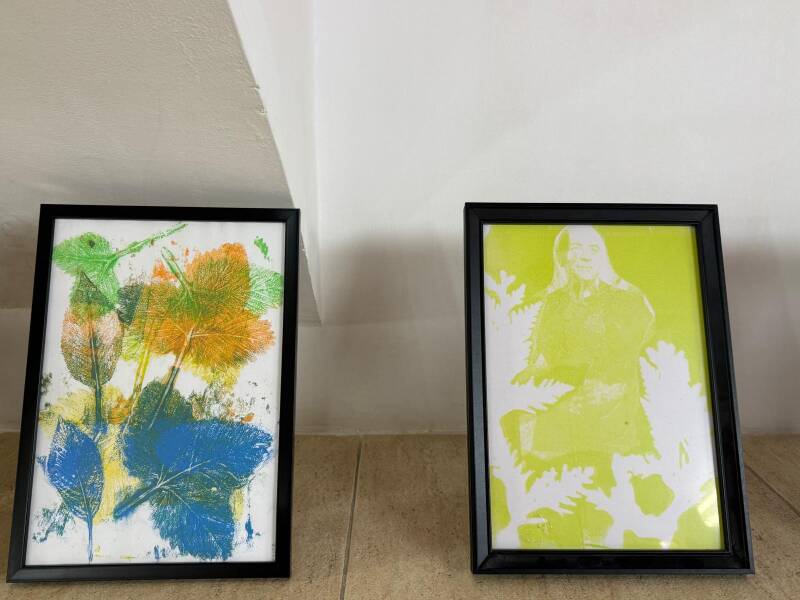
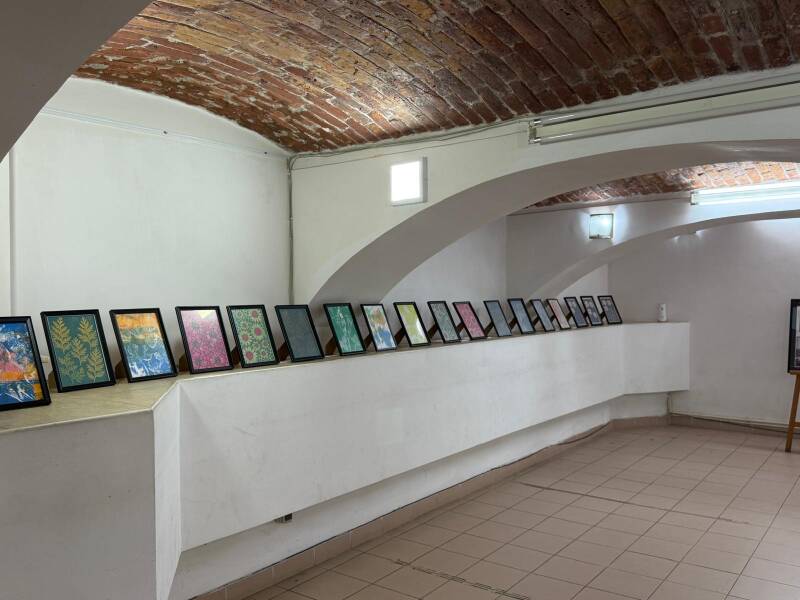
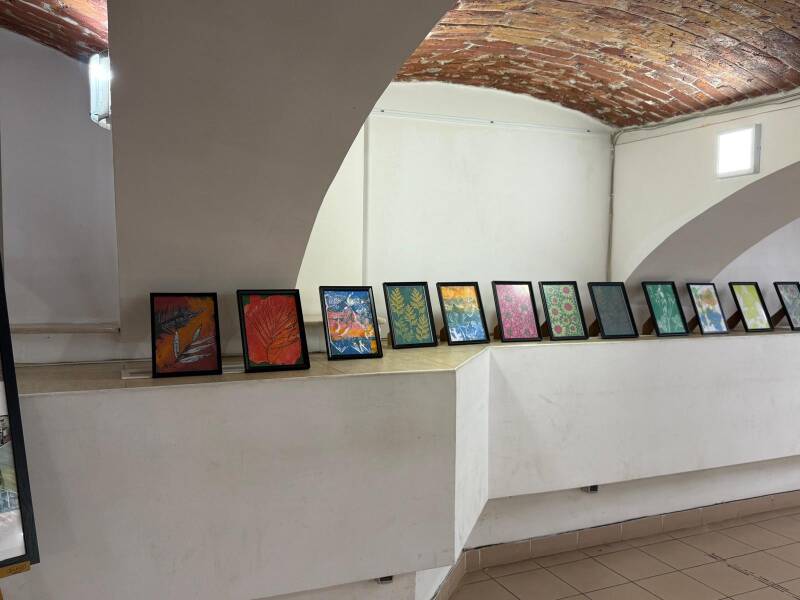
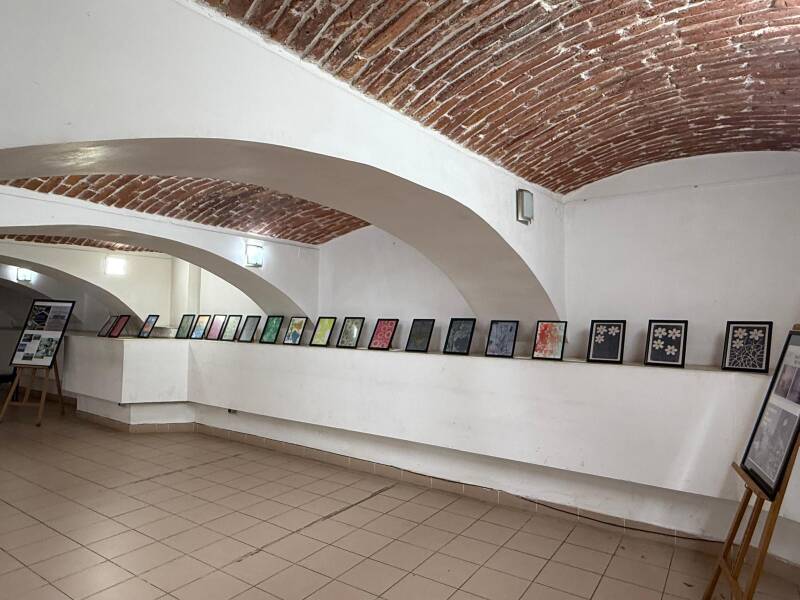
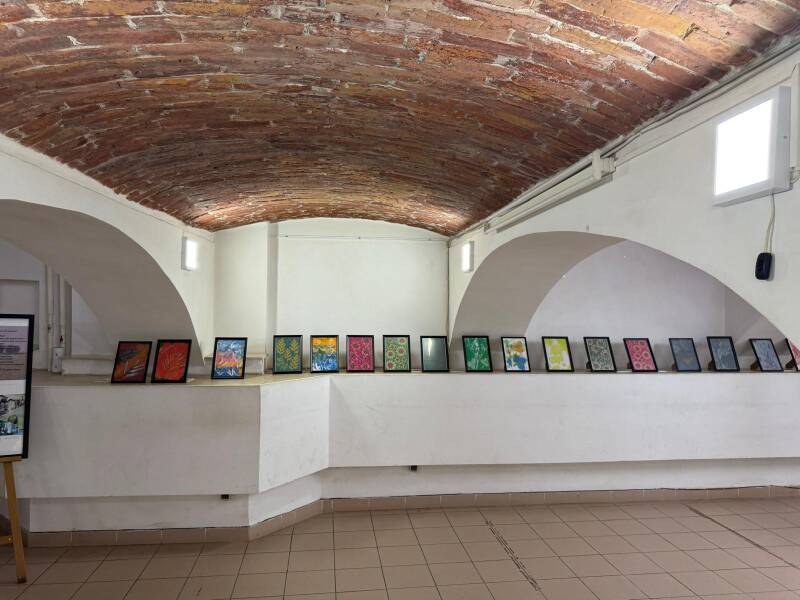
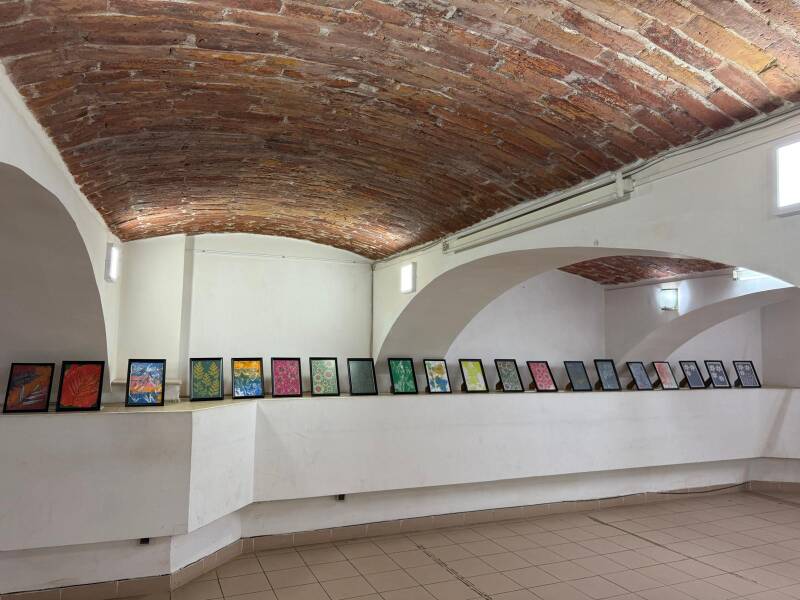
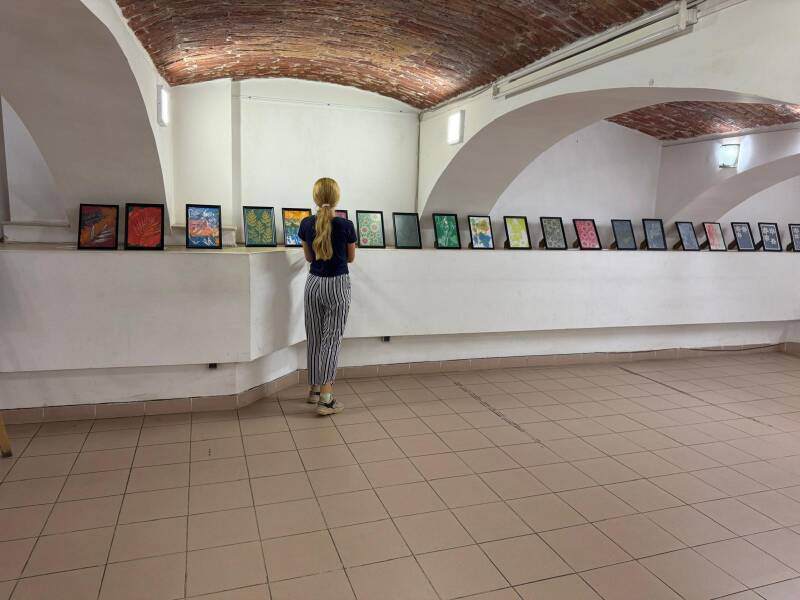
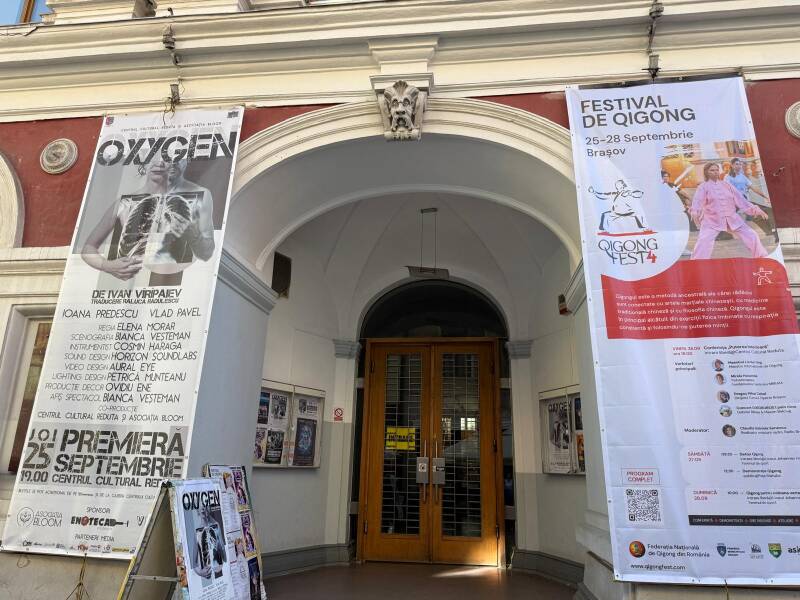
Italy
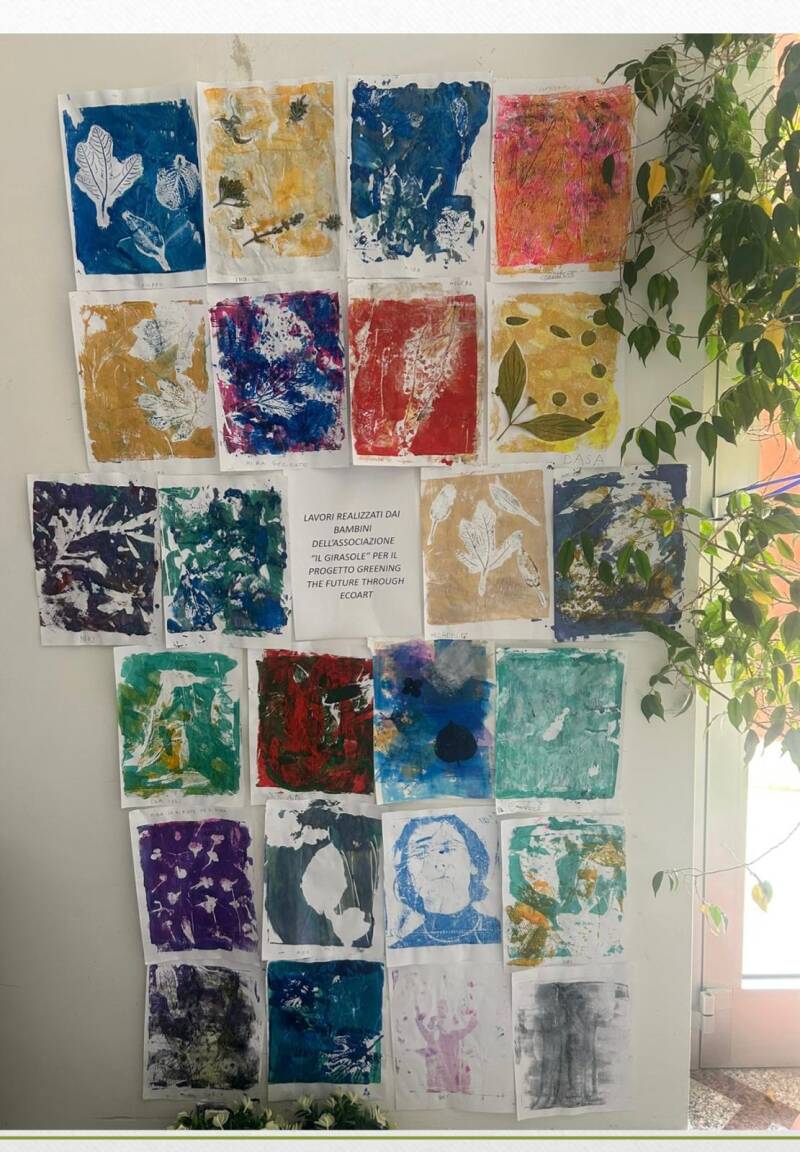
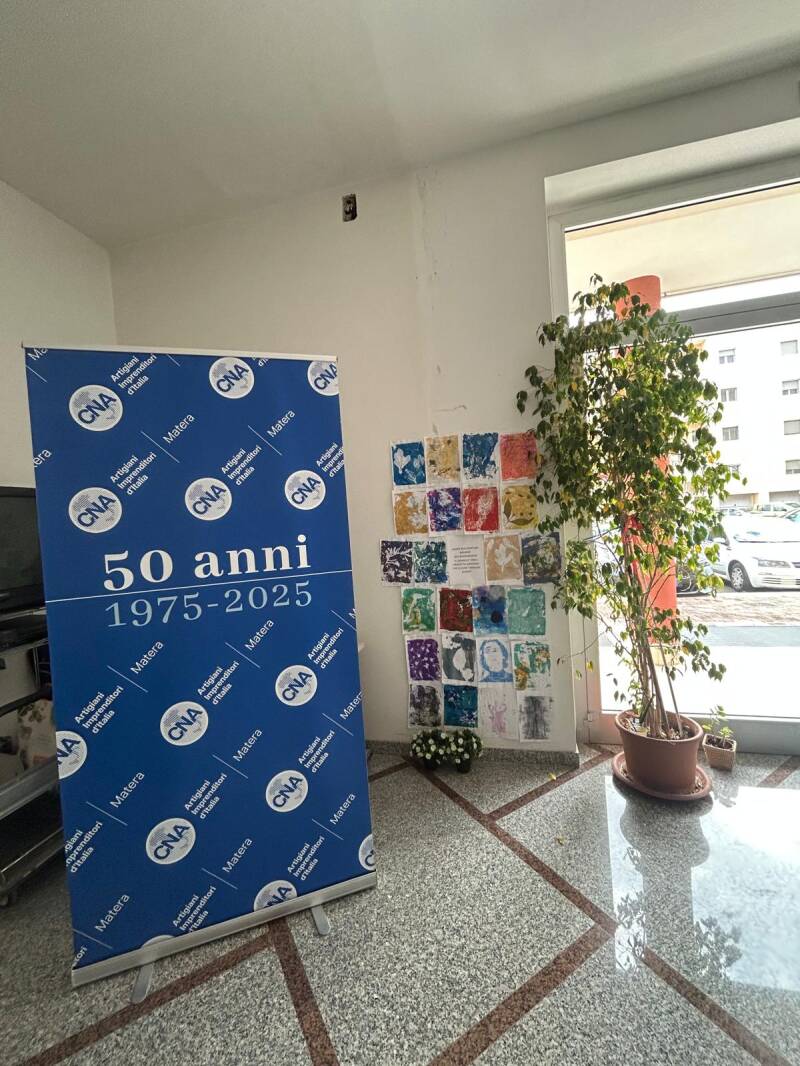
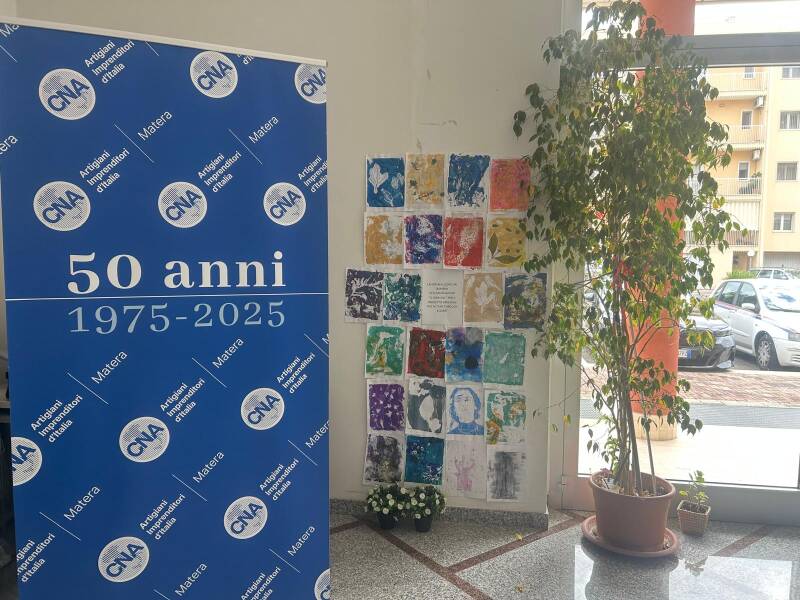
Virtual exhibition - artsteps | ECO Art
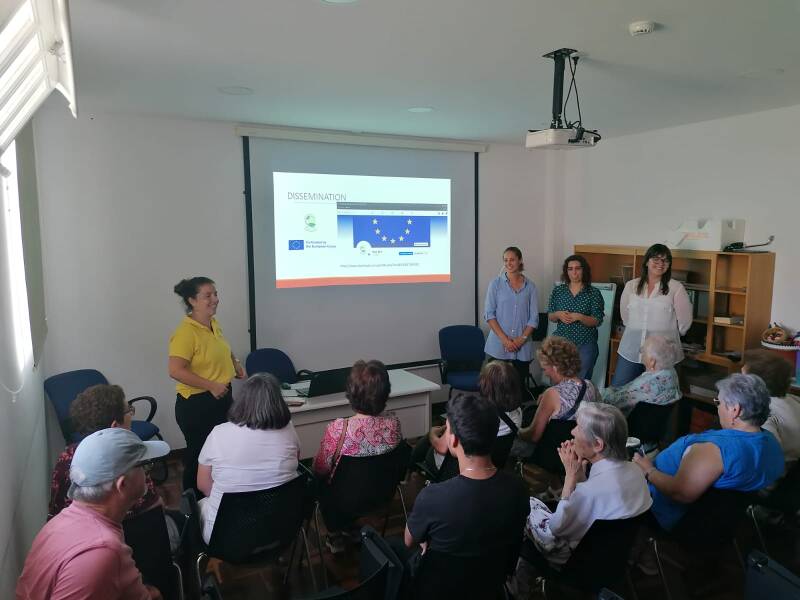
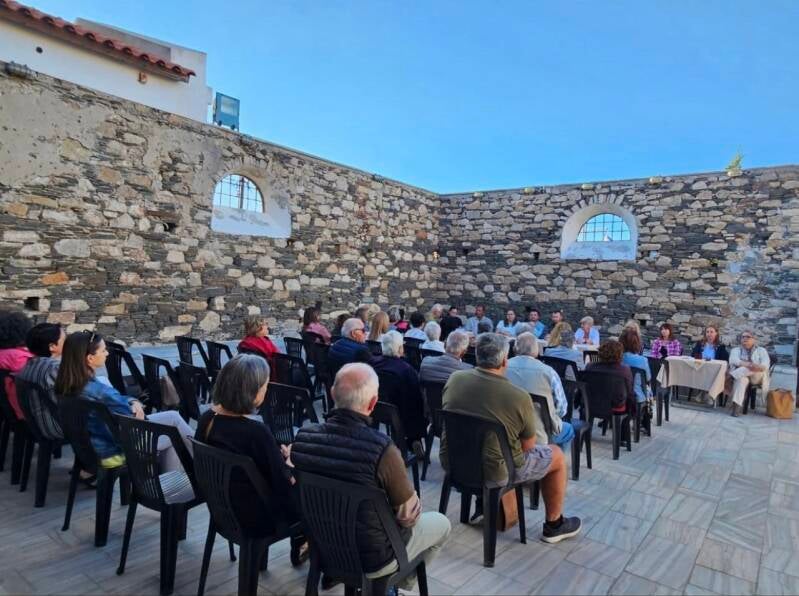
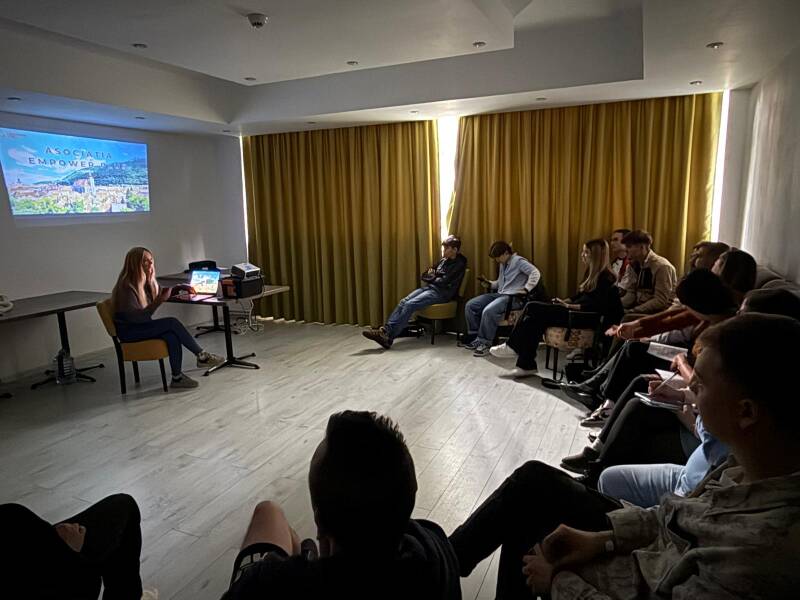
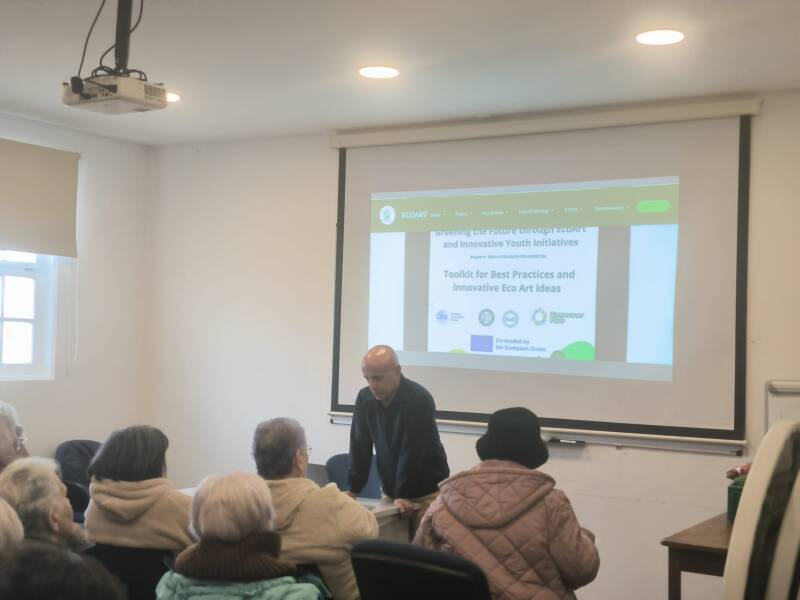
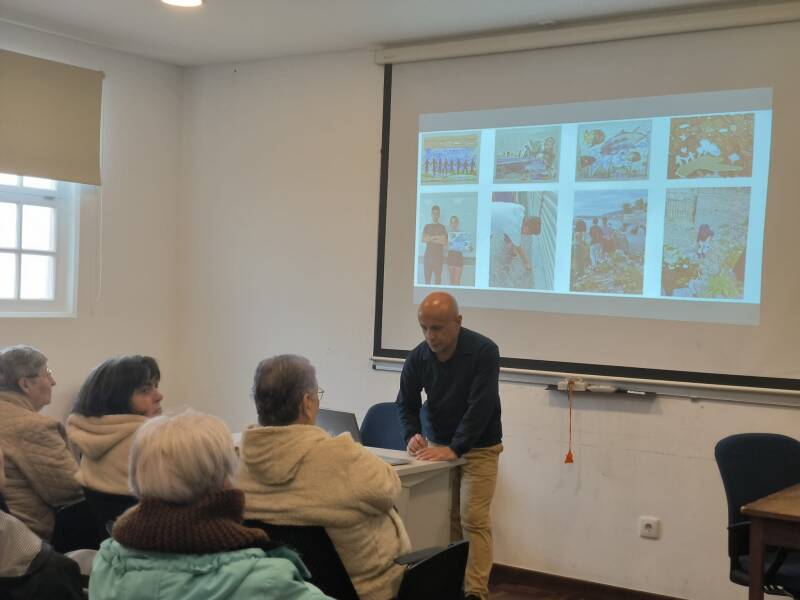
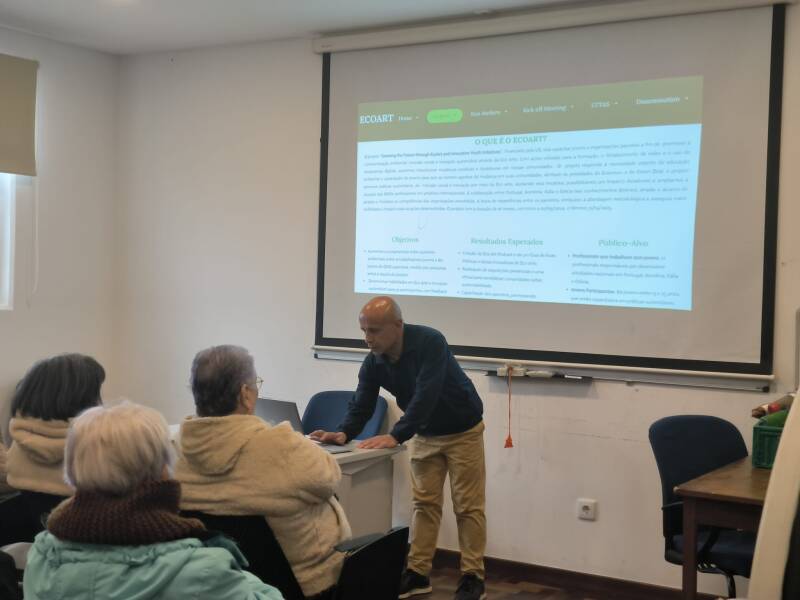
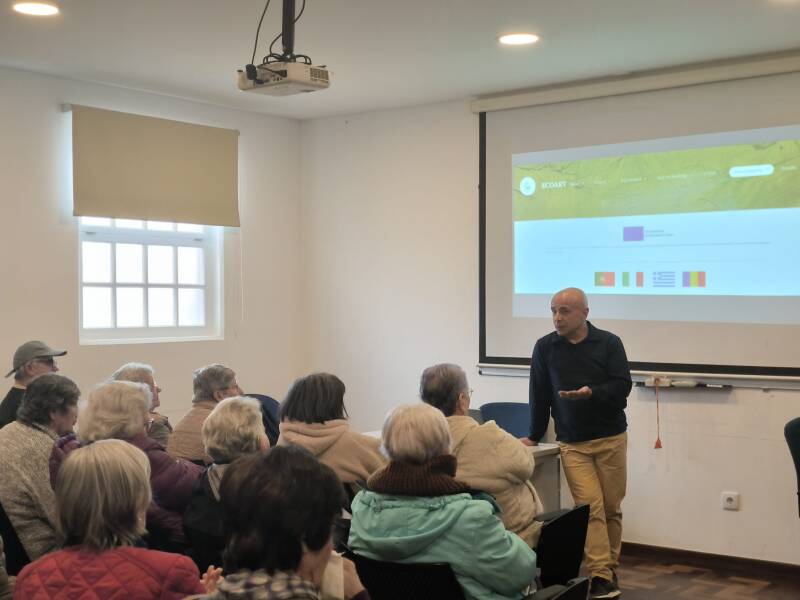
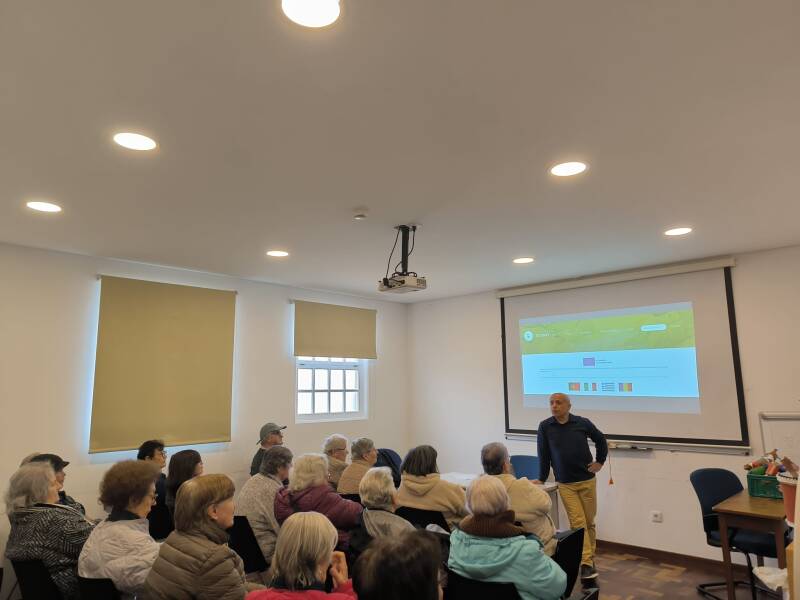
As part of the final phase of the project, the partner organizations carried out a series of dissemination activities, with the aim of sharing results, engaging local communities, and increasing the impact of the work carried out.
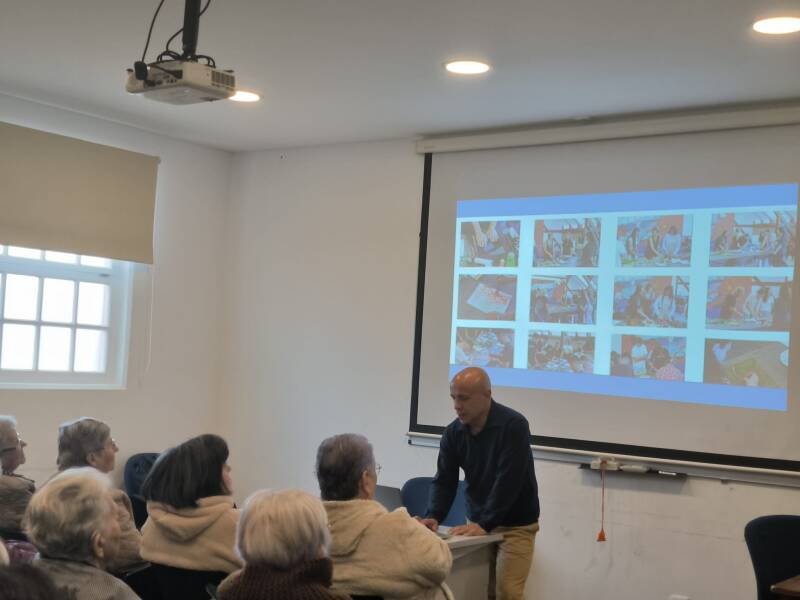
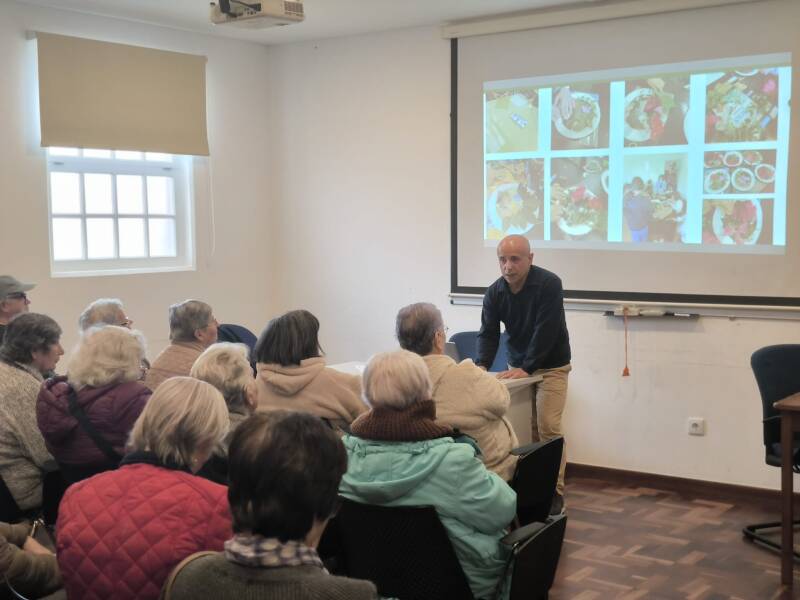
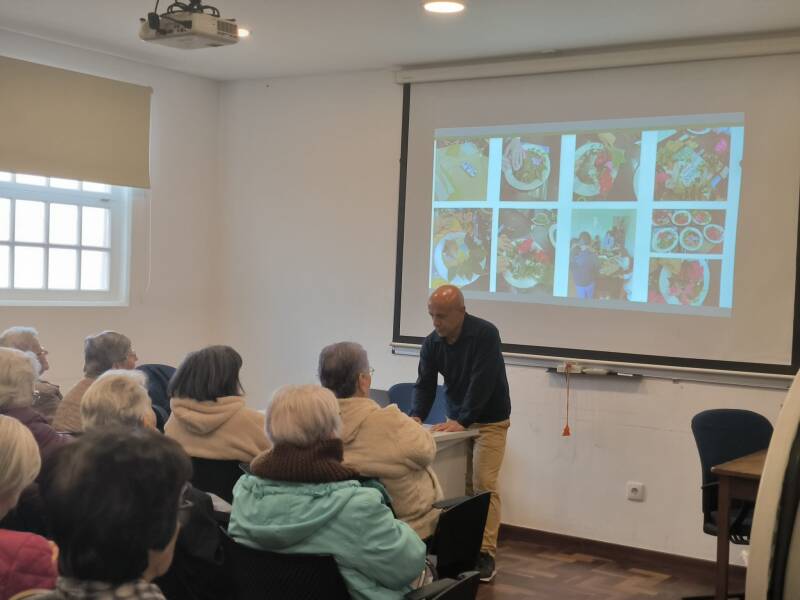
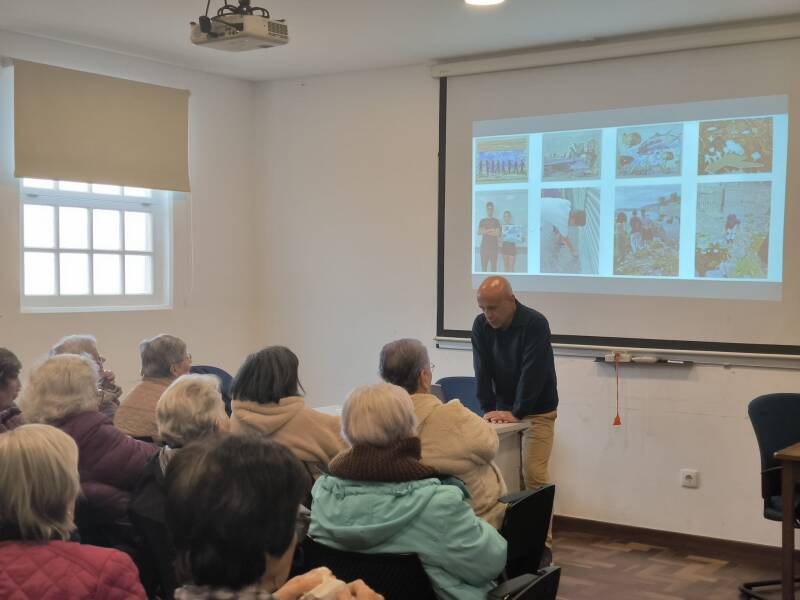
The dissemination strategy involved clearly defined responsibilities among the partners. LAZARETON took on the organization of the Final Transnational Meeting (TPM) in Greece, facilitating the dissemination process and the project closure. At the same time, the other partners organized Local Dissemination Conferences in their respective countries, ensuring the sharing of results at the local level.
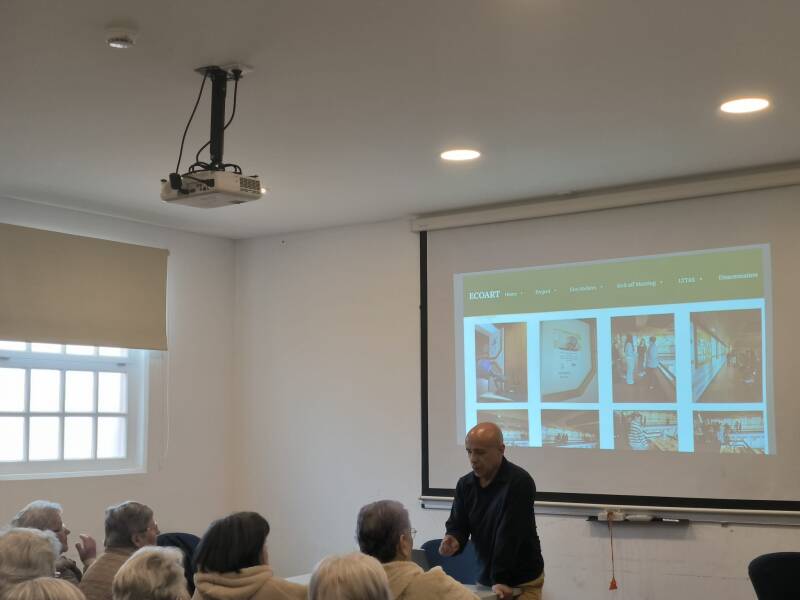
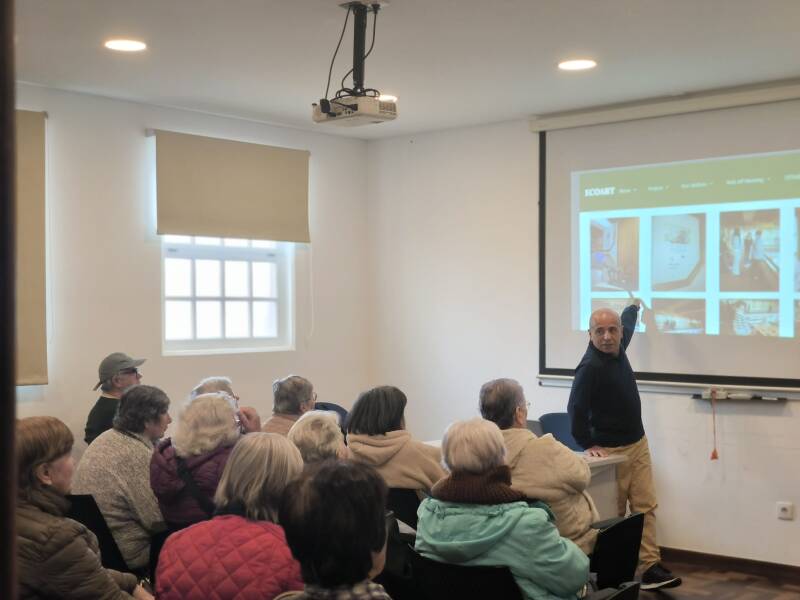
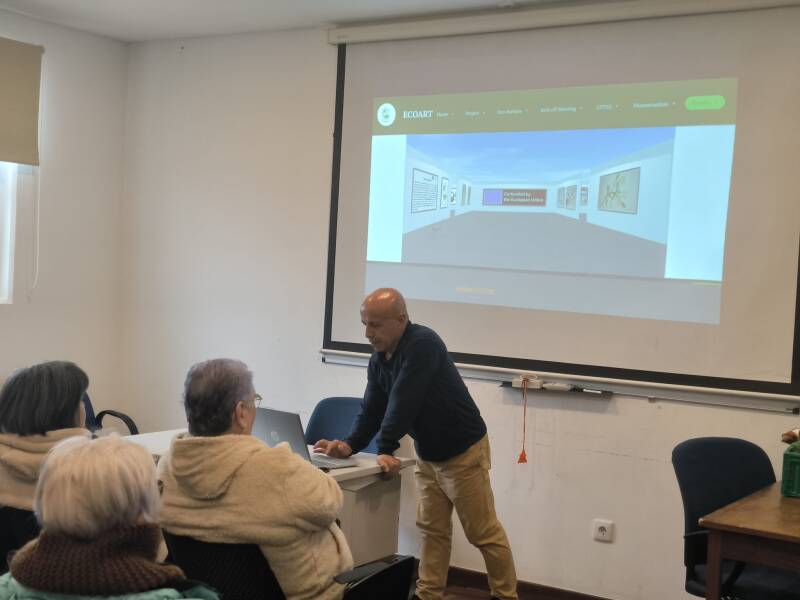
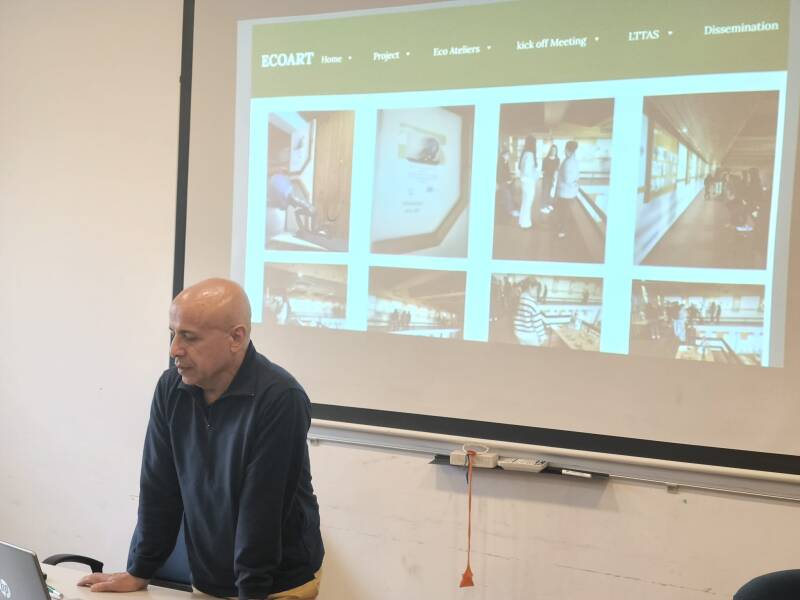
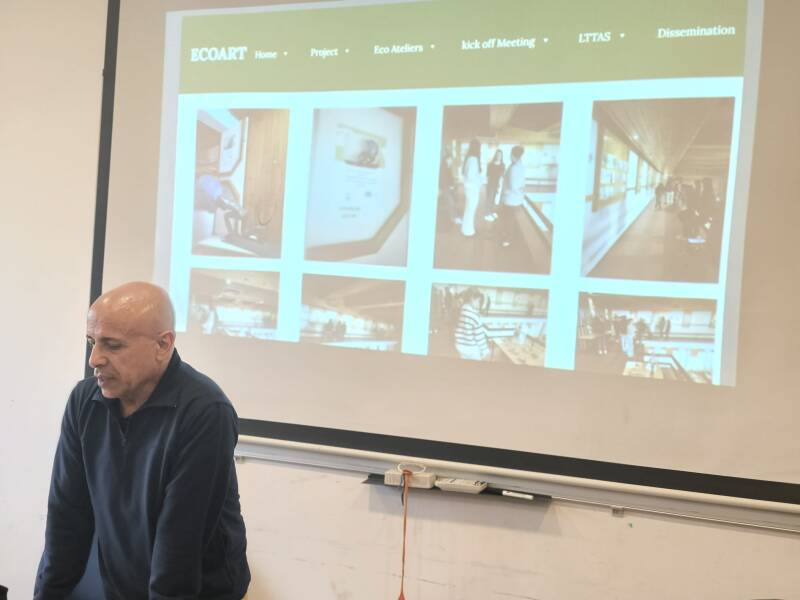
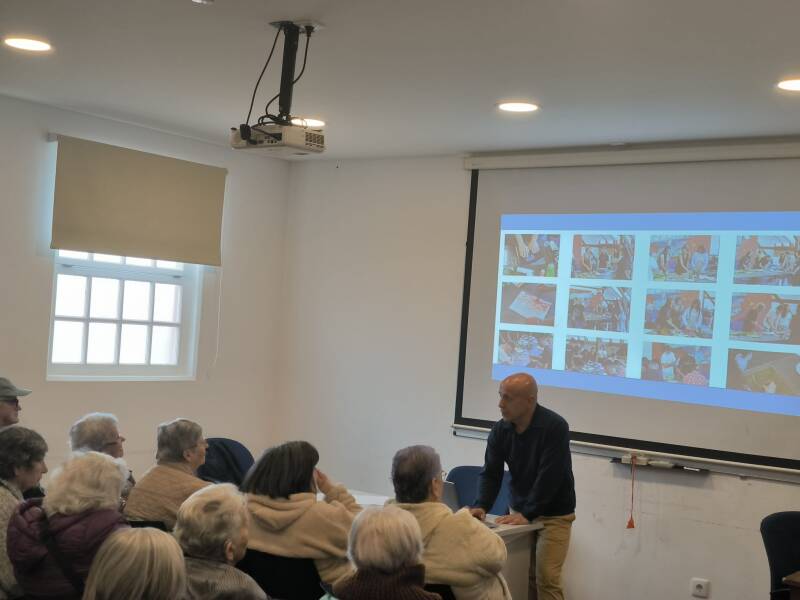
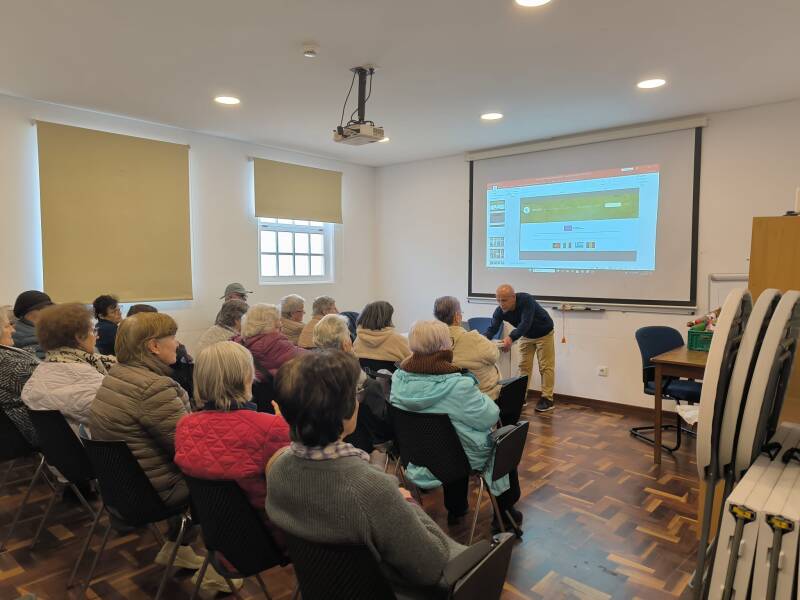
The Dissemination Conferences, held separately in each partner country, brought together project partners, local stakeholders, youth workers, educators, and community members. At these meetings, the project results were presented and discussed, ensuring that the knowledge produced reached the territory and the people clearly, with the aim of engaging at least 15 participants/visitors at each conference.

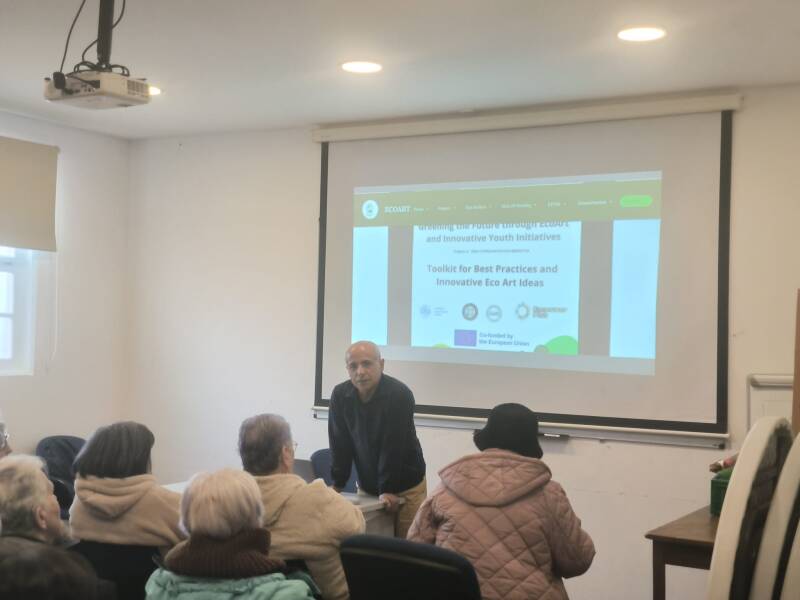
Eco Art Podcast and Toolkit of Best Practices and Innovative Ideas
This result brings together two complementary resources to explore and promote Eco Art as a tool for sustainability, environmental education, and community engagement.
Eco Art Podcast (Video Series)
A series of video episodes featuring conversations, interviews, and discussions with experts, artists, and project participants. The podcast covers topics such as Eco Art, sustainability, and innovative environmental practices, highlighting the creative processes behind the works, inspiring stories, and the impact of Eco Art on young people and communities. With a visual and accessible format, it aims to increase public understanding of the role of art in raising environmental awareness and promoting more sustainable lifestyles.
Toolkit of Best Practices and Innovative Eco Art Ideas
In parallel, a practical guide will be developed aimed at youth workers, artists, educators, and organizations that wish to integrate Eco Art into their activities. The toolkit includes best practices, innovative ideas, and step-by-step guidance for planning, organizing, and implementing Eco Art projects. It will also feature case studies and creative prompts to inspire new initiatives and support the use of art as a method for learning, civic engagement, and artistic expression with environmental impact.
Together, the podcast and the toolkit provide knowledge, inspiration, and practical tools to support project partners and other audiences in developing meaningful Eco Art activities, contributing to greater environmental awareness and a more sustainable future.
Create Your Own Website With Webador